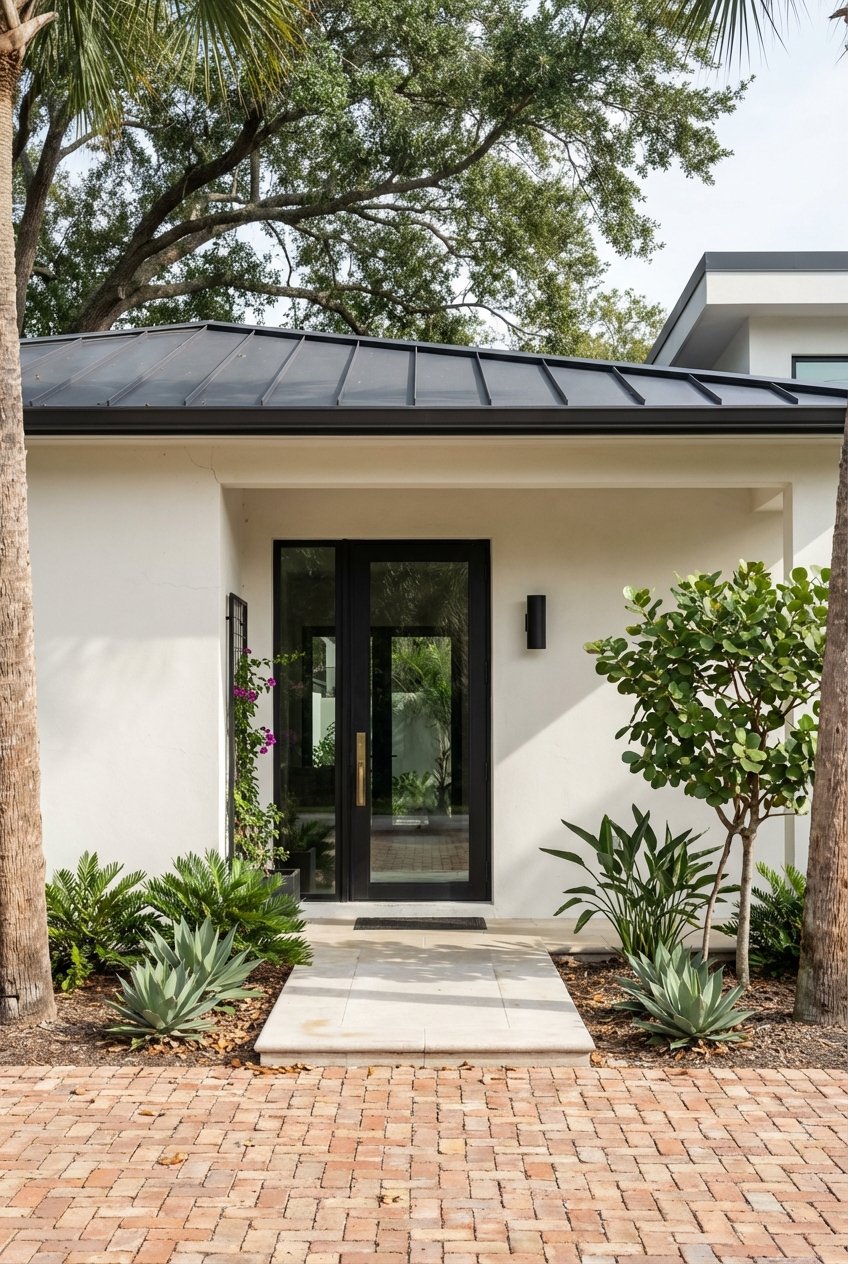
Love Bayshore Beautiful but your space no longer fits your life? Maybe you need a larger yard and extra bedrooms, or you crave a lock-and-leave townhome with less upkeep. You do not have to leave the neighborhood you love to make a smart move. In this guide, you will see what “more” and “less” space usually looks like in Bayshore Beautiful, how prices and timing work, and practical steps to sell and buy without stress. Let’s dive in.
Why stay in Bayshore Beautiful
Bayshore Beautiful sits beside the iconic Bayshore Boulevard linear park and its 4.5-mile continuous sidewalk, a daily favorite for walking, biking and fresh air. That waterfront greenway is a big reason many residents choose to stay put as their needs change. You can read more about the boulevard’s landscape history and community value through this overview of the Bayshore Boulevard landscape.
WalkScore classifies Bayshore Beautiful as moderately walkable with a neighborhood score around 63. If walkability matters to you, that middle-ground rating supports a lifestyle where quick errands, coffee runs and waterfront strolls are close by. See the Bayshore Beautiful WalkScore profile for context.
The Bayshore Beautiful Neighborhood Association defines the neighborhood roughly as Gandy Boulevard to the south, Bayshore Boulevard to the east, Himes Avenue to the west and El Prado or Julia to the north. The association is a volunteer group that shares news and organizes events. It is not an HOA, which means you are not entering a mandatory-dees community by default. Explore boundaries and events with the Bayshore Beautiful Neighborhood Association.
Housing here is flexible. You will find a solid mix of detached single-family homes and a meaningful share of townhomes and condos. That variety is why many owners successfully move up or rightsize without leaving their favorite streets.
What “more” and “less” space looks like locally
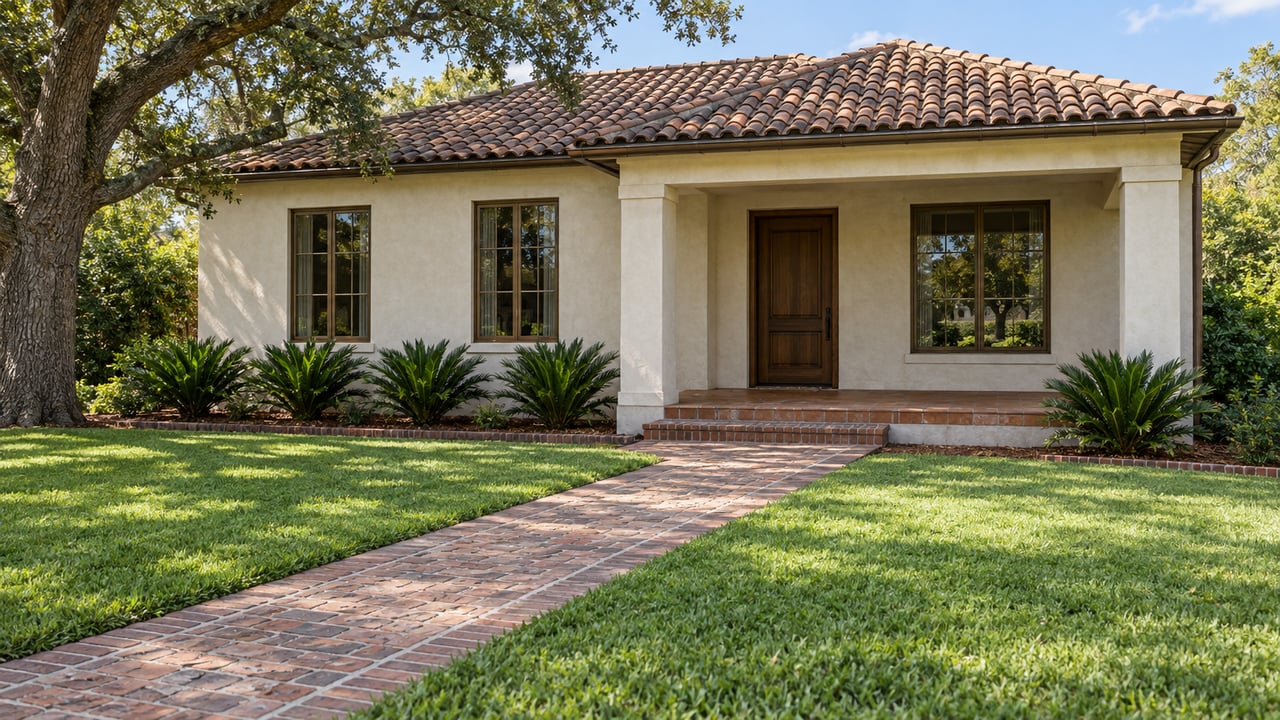
When you shop within Bayshore Beautiful, you will see a range from efficient condos and attached townhomes to classic bungalows and larger bay-adjacent homes.
- Detached bungalows and cottages. Often 1 to 3 bedrooms on modest lots. Renovation level, additions and proximity to the bay can push values from the mid 500s into the high six figures and beyond.
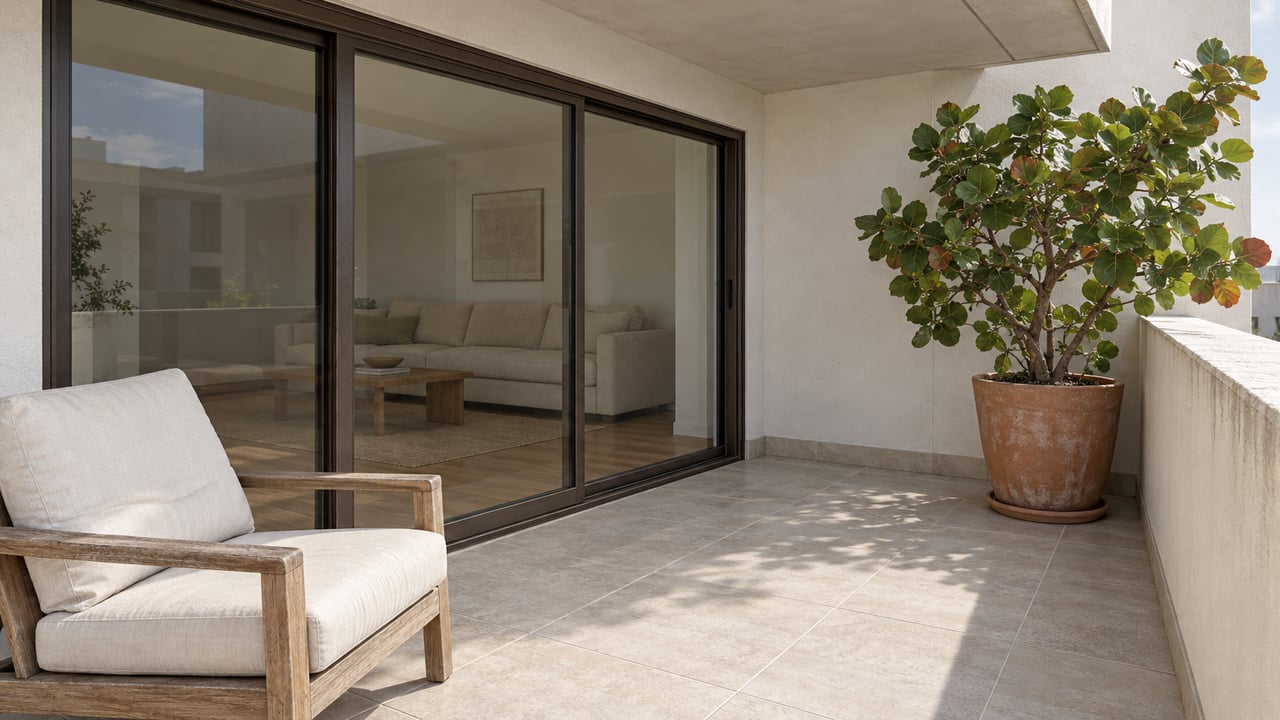
- Townhomes and other attached options. These can offer modern layouts, garages and low-maintenance living. Many trade a private yard for patios and shared green space, with prices commonly in the high 800s to low 900s depending on year and finishes.
- Condos. Typically the lowest-maintenance option and often the entry point on price. Inventory can fluctuate, so timing your search matters.
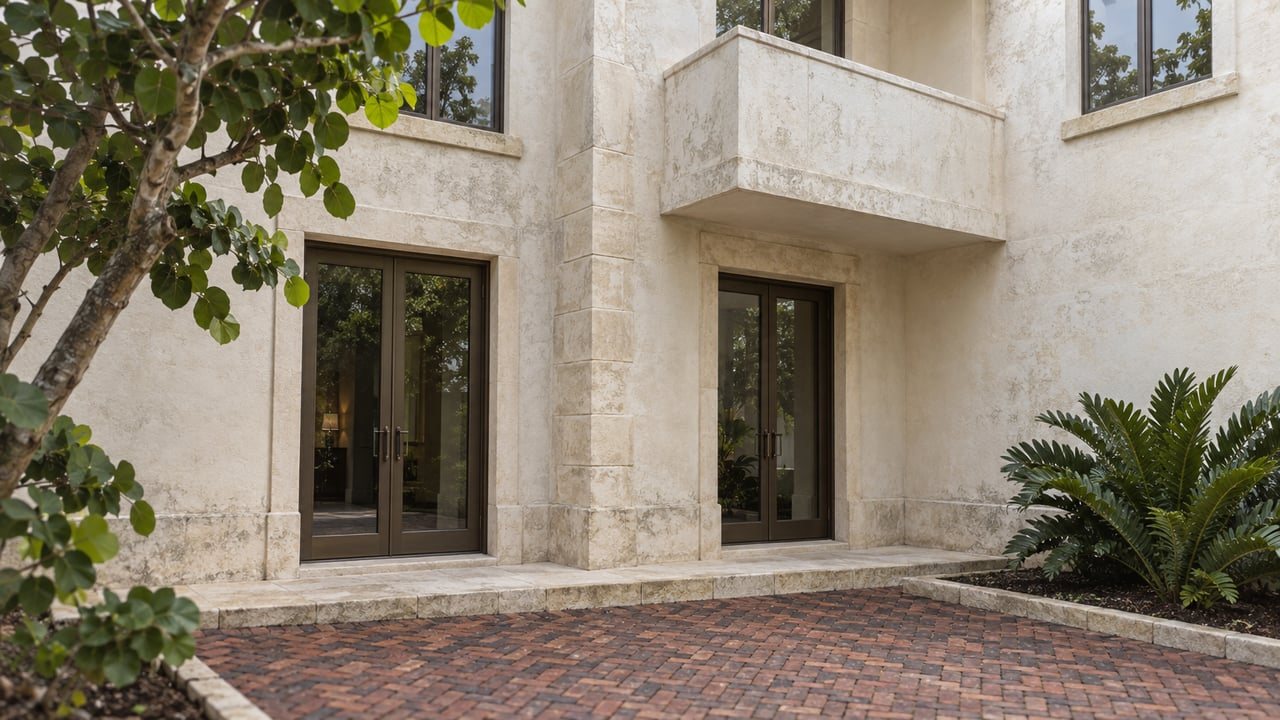
- Larger or bayfront homes. Waterfront or near-water properties command a premium and can reach multiple millions, especially with larger lots or custom builds.
If you want a single market reference point, neighborhood data in January 2026 showed a median sale price near 1.085 million according to Redfin. Different services track different metrics, so always note the data source and date when you compare numbers.
Decide your path: upsize or rightsize
Start with a simple checklist. Prioritize what you cannot compromise on, then decide how much space you truly need.
- Budget and monthly comfort. Run numbers for mortgage, taxes, insurance and, if attached, HOA dues. Use the Hillsborough County Property Appraiser search to review tax history and assess likely carry costs.
- Maintenance appetite. Do you want a yard, pool or garden, or would you rather keep weekends free and pay an HOA to handle the exterior?
- Parking and storage. Confirm garage needs, EV charging, bike storage and guest parking.
- Flood and insurance. Near-bay properties can have higher flood exposure. Check the FEMA Flood Map Service Center for parcel-level zones and ask for elevation certificates.
- Expansion potential. If you want to add space later, confirm zoning, lot coverage and ADU feasibility with the City of Tampa’s planning resources and recent code amendments.
- Walkable lifestyle. Decide how important proximity to Bayshore, coffee, parks and services is to your daily routine.
How to time the move without leaving the neighborhood
Coordinating a sale and purchase in the same neighborhood is doable when you plan early and choose the right structure for your goals and risk tolerance.
Option A: Sell first, then buy
Selling first gives you clarity. You know your proceeds, you avoid carrying two mortgages and you can plan your purchase with cash in hand. The tradeoff is temporary housing or a short rental while you shop. Many sellers solve this by negotiating a short post-closing rent-back period with their buyer. A practical overview of selling and buying at the same time is available in this consumer guide to coordinating the process.
Pros
- You know your exact proceeds.
- No double-mortgage risk.
- Cleaner financing on the next purchase.
Cons
- You may need interim housing.
- You might miss a just-listed home while you wait.
Tip: If you choose this route, discuss a 30 to 90 day post-occupancy agreement. Put rent, deposit, utilities and move-out terms in writing.
Option B: Buy before you sell
There are two common ways to buy first. You can use a bridge loan or HELOC to tap your equity, or you can work with a buy-before-you-sell provider. These services can let you make a non-contingent offer, which is stronger in competitive situations. They come with fees, short-term interest and qualification requirements, so compare total costs. Learn how these programs work in this overview of buy-before-you-sell options.
Pros
- One move instead of two.
- More competitive offers without a home-sale contingency.
Cons
- Added carrying costs and fees.
- You need enough equity and solid underwriting.
Option C: Make your purchase contingent on your sale
If the market is slower, some sellers will accept a home-sale contingency. Expect the seller to use a kick-out clause so they can continue to show the home. Read the National Association of Realtors consumer guide to real estate contract contingencies to understand typical mechanics before you write offers.
Rent-back to bridge the gap
If you sell first, a short post-settlement occupancy can give you time to find and close on your next home. Structure the terms clearly. A quick primer is included in the same coordination guide.
Timing checklist for smoother moves
- Align your listing and purchase timelines with your agent and lender early.
- Complete pre-list repairs, staging and photography before you shop.
- Get full underwriting and clear estimates for any bridge loan or HELOC. Build in a buffer in case your sale takes longer.
- Lock rates strategically and keep inspectors and appraisers scheduled back to back to avoid delays.
- Be ready to negotiate. Recent Florida snapshots in early 2026 showed more buyer leverage in some areas, which can surface credits or concessions. See one summary of discounting trends in this Tampa Bay market note for context.
Bungalow vs townhome: the key tradeoffs
You can usually stay inside Bayshore Beautiful whether you want more space or less. The question is which product type fits your day-to-day life and long-term plan.
Lifestyle and maintenance
- Detached bungalow or cottage. You gain a private yard, more separation from neighbors and the flexibility to garden, add a pool or explore an ADU later. You also take on lawn care, exterior upkeep and roof responsibility.
- Townhome or condo. You trade yard work for lower-maintenance living, often with exterior items handled by an HOA. Expect shared walls in townhomes and rules that cover parking, pets and exterior changes. Request the full HOA packet early so you understand budgets, reserves, insurance and any planned projects.
Financial differences
- HOA or condo dues. These increase your monthly payment and can vary widely based on amenities and insurance costs.
- Reserves and assessments. Low reserves can lead to special assessments. Review meeting minutes, reserve studies and the master insurance policy before you commit.
- Financing. Some condo projects must meet lender criteria for certain loan products. Your lender can confirm project approval and any timing impacts.
Zoning and future expansion
If you want the option to add space later, confirm what is allowed on your lot. Review current City of Tampa rules and recent code amendments, and call the planning office with your parcel number for specifics on lot coverage, height and ADU feasibility.
Flood risk and insurance
Proximity to the bay increases exposure to flood zones and storm surge. Always check the property’s FEMA map, verify any elevation certificate and ask your insurer for a quote before you remove contingencies. Start with the FEMA Flood Map Service Center for parcel-level detail.
Resale and buyer pool
- Detached homes often appeal to buyers who want privacy, a yard and room to expand. They tend to draw a broad pool when marketed well.
- Townhomes and condos tend to attract downsizers, first-time buyers seeking lower maintenance and investors who value simpler upkeep.
In Bayshore Beautiful, proximity to the Bayshore greenway and local school zoning are common search filters for many buyers. Use these highlights in your resale plan, and support price strategy with current neighborhood comps.
Local resources to help you plan
- Neighborhood association. Check boundaries, events and local updates with the Bayshore Beautiful Neighborhood Association.
- Walkability and daily living. Review the Bayshore Beautiful WalkScore profile for a quick sense of errands and transit.
- Landscape and civic context. Learn more about the Bayshore Boulevard landscape.
- Property taxes and records. Estimate proceeds and verify parcel details with the Hillsborough County Property Appraiser.
- Flood maps. Confirm zones and insurance implications with the FEMA Flood Map Service Center.
- Zoning and code. Check what you can build or add through the City’s planning and code amendments.
Ready to make a move that fits your life
Whether you need more room or less, you can stay in Bayshore Beautiful and move on your terms. With the right timing plan, clear financing and a product type that fits your lifestyle, your next home can be just a few blocks away. If you want a private, results-focused strategy that respects your time and maximizes your outcome, connect with Harvey Petty to map your path.
FAQs
What is the current median sale price in Bayshore Beautiful?
- As of January 2026, a common market snapshot showed a median sale price near 1.085 million according to Redfin. Always confirm the latest figure before you list or write offers.
How walkable is Bayshore Beautiful and what draws people to stay?
- The neighborhood has a WalkScore around 63 and direct access to the Bayshore Boulevard linear park with its 4.5-mile sidewalk. Many residents stay for the waterfront greenway and convenient daily lifestyle.
How do rent-back agreements work if I sell first?
- You and the buyer agree that you will remain after closing for a set period, typically 30 to 90 days, paying a negotiated rent and deposit. Spell out utilities, insurance and move-out terms in writing.
What should I review before buying a townhome or condo in Bayshore Beautiful?
- Request the full HOA packet, including budget, reserves, recent meeting minutes and insurance certificates. Ask your lender about project approval and confirm any rental or pet rules that matter to you.
How can I check flood risk for a Bayshore-adjacent property?
- Enter the address in the FEMA Flood Map Service Center, review the zone, and ask the seller for any elevation certificate. Get a flood insurance quote before removing contingencies.
If I plan to add an ADU or expand later, where do I start?
- Verify what is allowed for your parcel through the City of Tampa’s planning and code amendments and speak with the planning office about setbacks, height, lot coverage and permitting timelines.
What are the main lifestyle tradeoffs between a bungalow and a townhome?
- Bungalows offer private yards and flexibility but come with more maintenance. Townhomes reduce exterior upkeep and may include amenities, but introduce HOA dues, shared walls and rule sets you must be comfortable with.