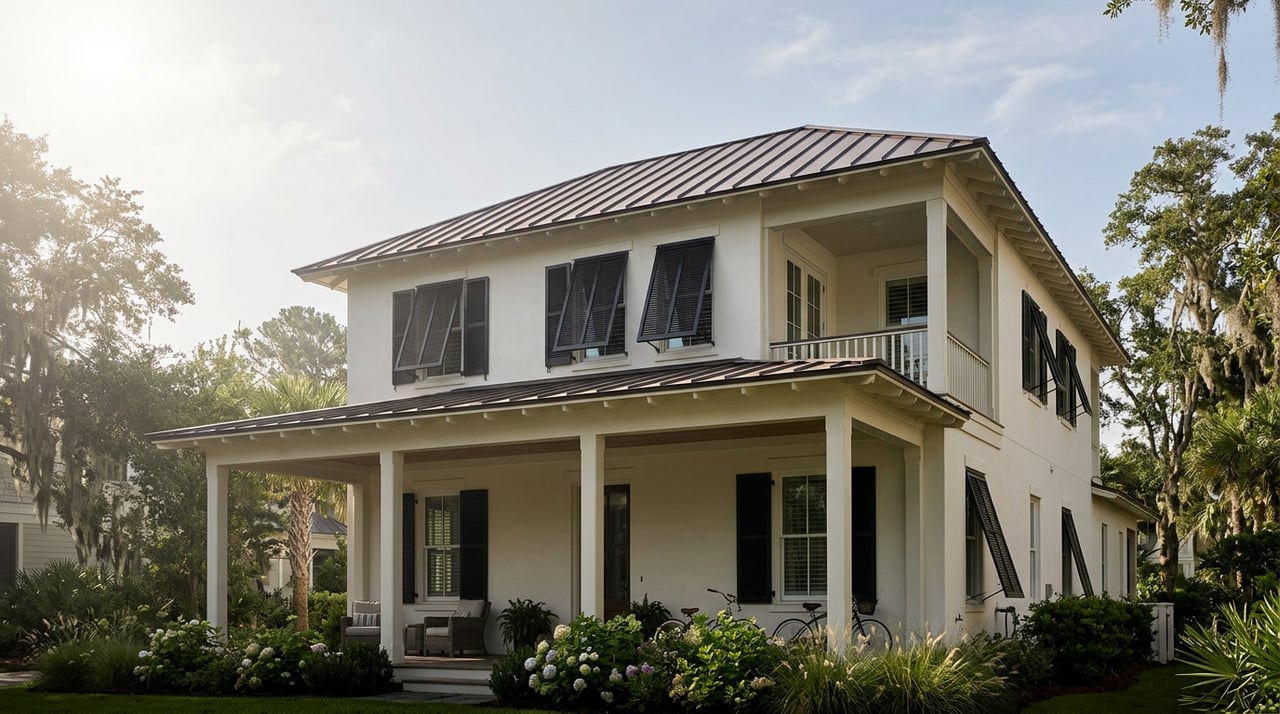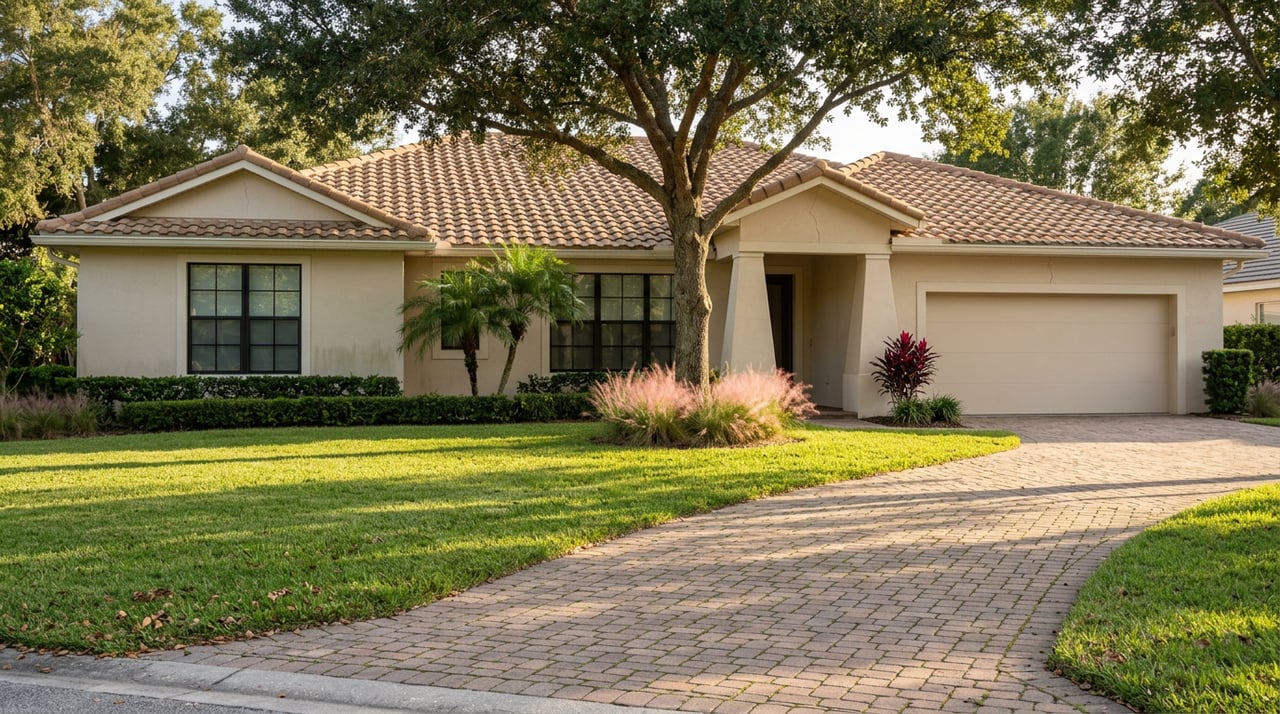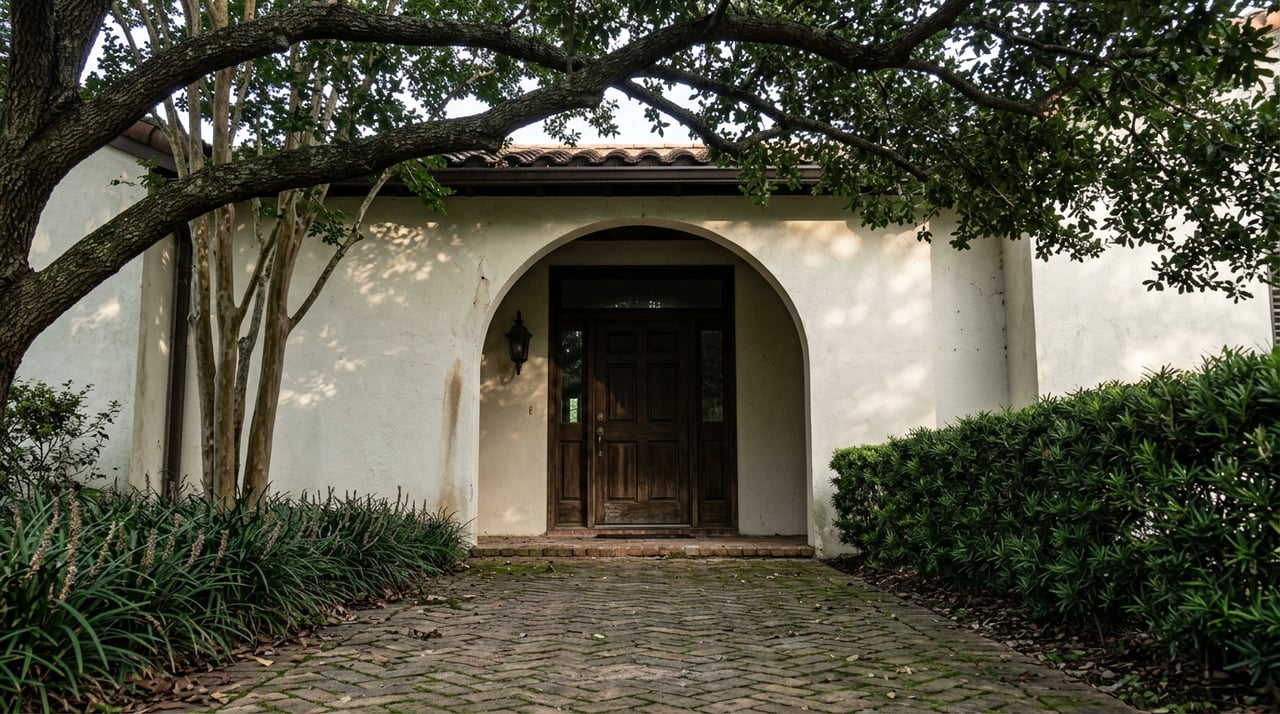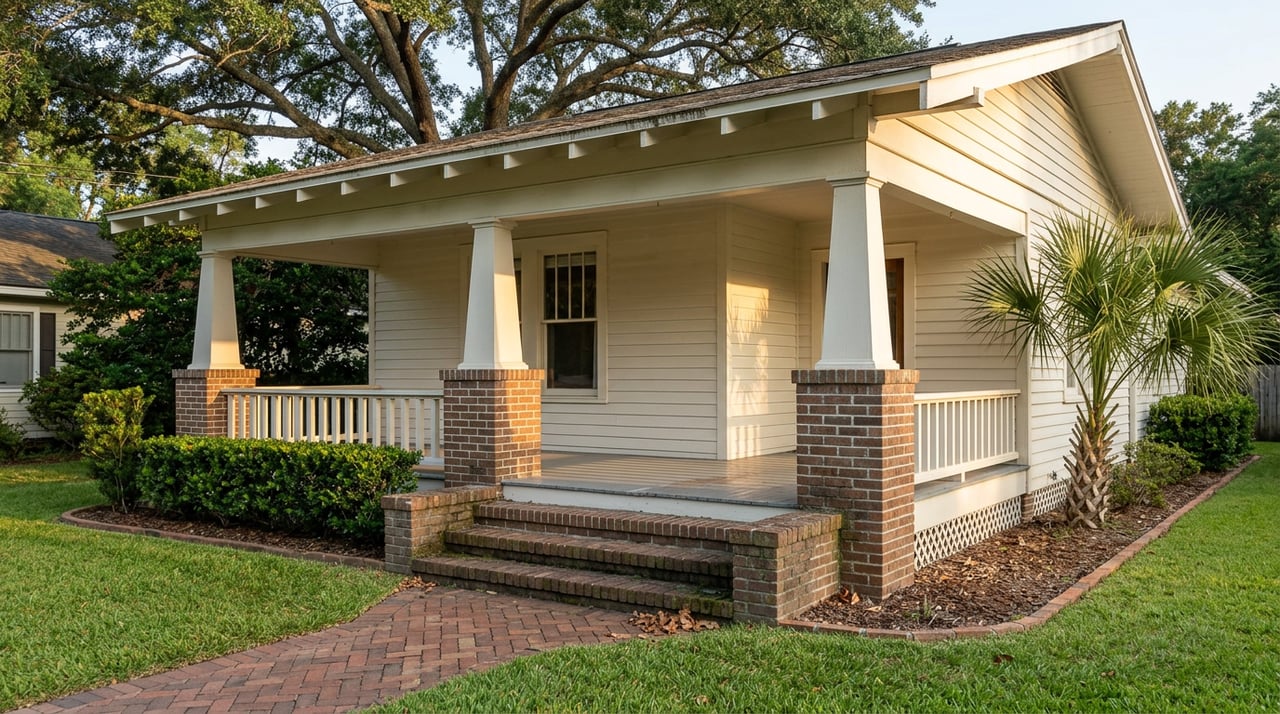
You want more space, better amenities, or a different layout, but the idea of selling your Westchase home while buying your next one feels like juggling on a deadline. You are not alone. With the right plan, you can time both moves, protect your financing, and transition with less stress. This guide gives you a clear playbook tailored to Westchase, from timeline and financing to HOA steps and closing-day details. Let’s dive in.
Westchase snapshot and why timing matters
Westchase is a master-planned, deed-restricted community with swim and tennis centers, parks, and village retail, overseen by the Westchase Community Association. The WCA manages amenities and resale documentation, including estoppel letters and assessment details. You can review community documents and resale guidance on the Westchase Community Association site.
Westchase often trends above county-level medians for single-family homes. For context, Hillsborough County’s median single-family sale price for December 2025 was about $435,000, illustrating why Westchase reads as a mid-to-upper suburban pocket within the county. You can review county metrics in the latest Hillsborough County report.
Time on market can vary by home type, village, and condition. Real estate portals often display different medians and days-on-market numbers, which is why address-level comps and a strategy customized to your timing window are essential.
Choose your path: sell first, buy first, or go contingent
Every option can work. Your choice depends on your risk tolerance, cash flow, and target property.
- Sell first, then buy. This reduces financial risk and underwriting complexity. You may need short-term housing if you do not find the right home right away.
- Buy first. You can use cash, a HELOC, or a bridge loan, but you must be comfortable with the possibility of carrying two mortgages. For a plain-English explainer on bridge loans and what lenders consider, see NerdWallet’s overview.
- Make a contingent offer. Your purchase contract can be contingent on the sale of your current home. Sellers often prefer non-contingent offers, and many add a kick-out clause. Learn more about contingencies from Rocket Mortgage’s guide and kick-out mechanics in this contract explainer.
A realistic move-up timeline
Use this framework and adjust to your property, village, and current market pace.
3–6 months before listing
- Get pre-approved and scenario-plan with your lender. Ask for written approvals that model sell-first, buy-first with a HELOC or bridge, and a contingent offer path. Confirm how each option affects debt-to-income and cash required.
- Meet with your agent to map price range, net proceeds, and timing goals. Discuss whether a rent-back or short-term housing might be part of your plan.
6–8 weeks before listing
- Prep the house: deep clean, declutter, touch up paint, update lighting or hardware, and refresh landscaping. Focus on kitchens and baths for best ROI.
- Stage smartly. Research shows staging helps buyers visualize living in the home and can shorten time on market. See the National Association of Realtors’ findings in the Profile of Home Staging.
- Order HOA items early. The WCA provides estoppel and resale documentation, which can impact timing. Start the process using the WCA resources.
Listing and active marketing
- Go live with professional photography and a strong staging plan. Keep your home show-ready with a daily 20-minute routine and remove valuables during showings.
- If you plan a contingent purchase, have your listing paperwork and pricing strategy ready to present to the seller of your target home.
Under contract and aligning closings
- Negotiate timelines that fit your needs. If you are contingent, expect stricter deadlines and a possible kick-out clause.
- If you aim for a same-day close, coordinate early. Title and escrow teams will confirm wire and recording schedules, which control when funds release and keys can be handed over. For more on how recording and funding sequence works, review this closing coordination overview.
Financing tools and how to talk to your lender
You have several ways to access your next home. Focus on what protects your cash flow without creating avoidable risk.
- HELOC or home equity loan. These can fund a down payment but will increase your debt-to-income ratio. Variable rates and qualifying-payment assumptions can affect your approval.
- Bridge loan. Short-term financing backed by your current equity. Underwriting can be stricter and may require your home to be listed or under contract. For a clear summary of how bridge loans work, see NerdWallet’s overview.
- Contingent purchase. Useful if you must sell to buy. Strengthen your offer with documentation that your home is listed, realistic pricing, and a clear contingency timeline. For definitions and tradeoffs, see Rocket Mortgage’s guide.
What to request from your lender in writing:
- A side-by-side scenario showing qualification and monthly payment if you keep your current mortgage, plus any HELOC or bridge payment, until your sale closes.
- Fastest and slowest underwriting timelines for your chosen product, so you can plan closing dates.
- Any requirements about having your current home listed or under contract before they fund.
Preparing and marketing while you shop
A polished presentation helps you sell faster and with stronger terms, which creates leverage for your purchase.
- Immediate prep. Deep clean, declutter, repair minor items, and refresh paint in key rooms. Create curb appeal with trimmed landscaping and a tidy entry.
- Professional visuals. Schedule high-quality photos and a virtual tour for day one of your listing.
- Staging strategy. You do not need to stage every room. Focus on the living room, primary bedroom, and kitchen. The NAR staging report found staging helps buyers picture a property as their own.
- Show-ready routine. Build a 20–30 minute daily checklist. Make beds, clear counters, vacuum traffic areas, and secure personal items before each showing.
Contract tactics that simplify timing
You can align both sides of the move with the right addenda and expectations.
- Home-sale contingency. This gives you time to sell in order to buy. It reduces your leverage but can be effective with strong pricing and marketing. Learn the basics in this contingency explainer.
- Kick-out clause. Sellers often add this to contingent offers. If a better offer appears, you may have 24–72 hours to remove your contingency or step aside. See typical structures in this guide to kick-out terms.
- Rent-back (seller post-closing occupancy). If you sell first, a short rent-back can give you time to close on the new home. Set clear written terms for rent, dates, insurance, and liability with your agent and title team.
Closing costs, taxes, and your net proceeds
Florida sellers typically pay real estate commissions, prorated taxes, HOA transfer and estoppel fees, and the documentary stamp tax on the deed. In most Florida counties, the documentary stamp tax is about 0.70 per 100 dollars of sale price, unless negotiated otherwise. For a helpful breakdown of common Florida seller costs, review this closing cost guide.
If you qualify under IRS rules for a primary residence sale, you may exclude up to 250,000 dollars of gain if single, or up to 500,000 dollars if married filing jointly. Always confirm your situation with a tax professional. See the IRS overview of the exclusion in Publication 523.
Temporary housing and move logistics
If you sell first or need extra time to find your next home, plan for a short-term gap.
- Options include a furnished rental, extended-stay lodging, or a short lease nearby. Book early during peak seasons to avoid price spikes.
- Consider storage and a partial pack in advance. Pods or local storage can make showings cleaner and move-out faster.
- Compare costs realistically. Price out one to three months of short-term housing versus the carrying cost of two mortgages for a similar period. Pick the path that protects your budget and reduces stress.
Local moves that matter in Westchase
- Order WCA and CDD items early. Estoppel letters, assessment confirmations, and transfer procedures can affect closing timing. Use the WCA site to start the process early in escrow.
- Confirm school zoning, not assumptions. Many Westchase addresses feed to Westchase Elementary, Davidsen Middle, and Alonso High. Zoning can change by address. Always verify with Hillsborough County Public Schools.
- Expect village-level nuances. Condition, floor plan, and micro-location within Westchase influence pricing and days on market. Lean on local comps and a listing strategy tailored to your timeline.
Ready to move up with fewer moving parts?
You can sell well and buy right in Westchase with a clear plan, tight lender coordination, and early HOA prep. If you want a step-by-step timeline, net sheet, and contract strategy tailored to your home and target upgrade, reach out. Let’s map your best path and execute it with precision. Connect with Harvey Petty to get started today.
FAQs
Should I sell my Westchase home before I buy the next one?
- Selling first reduces financial risk and simplifies underwriting, while buying first can work with bridge or HELOC financing but adds carrying costs. Ask your lender to model both paths in writing.
What is a home-sale contingency and how does a kick-out clause work?
- A home-sale contingency lets you buy only if your current home sells by a set deadline. Many sellers add a kick-out clause that gives you 24–72 hours to remove the contingency if a stronger offer appears.
How long should I allow for a contingent offer to close?
- Contingency windows commonly range from 30 to 60 days, but local conditions vary. Shorter timelines and proof your home is listed can strengthen your position.
What closing costs should I expect when selling in Westchase?
- Budget for commissions, owner’s title in many transactions, prorated taxes, HOA transfer and estoppel fees, and the documentary stamp tax of about 0.70 per 100 dollars of sale price in most Florida counties.
How do rent-backs help my timing?
- A rent-back lets you remain in the home after closing for a short, agreed period so you can finish your purchase. Define rent, dates, insurance, and responsibilities in writing with your agent and title team.