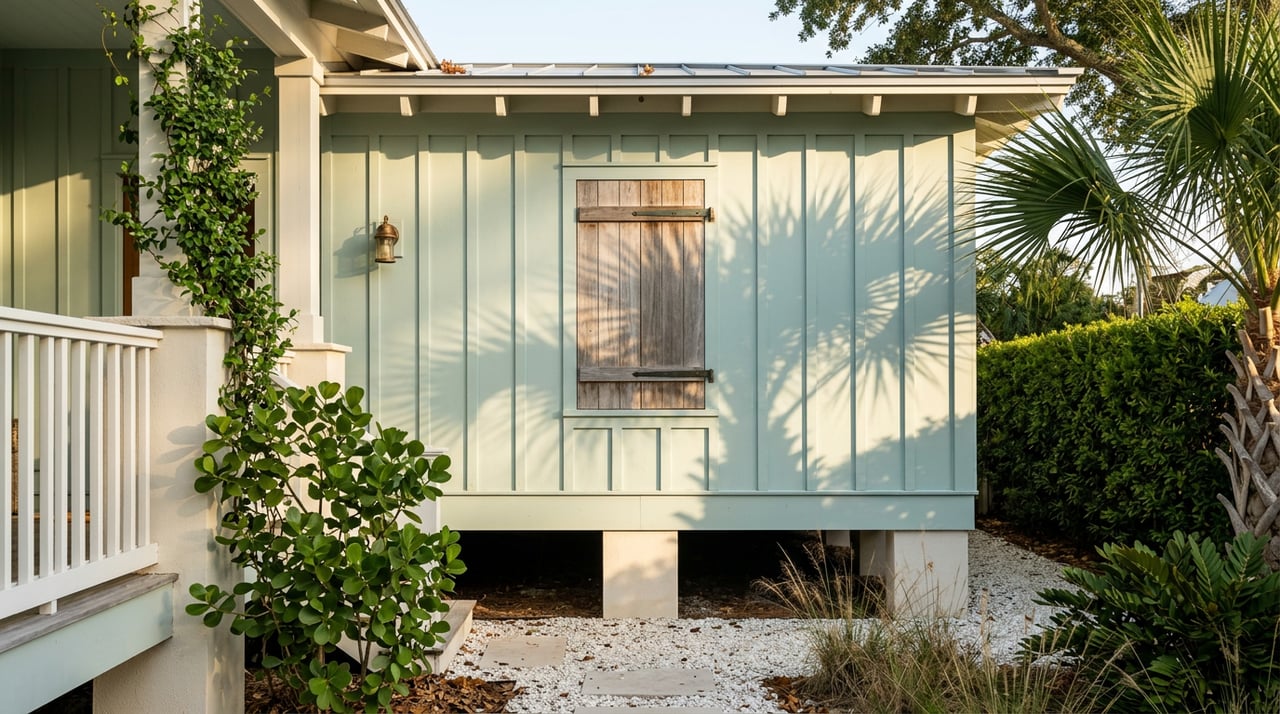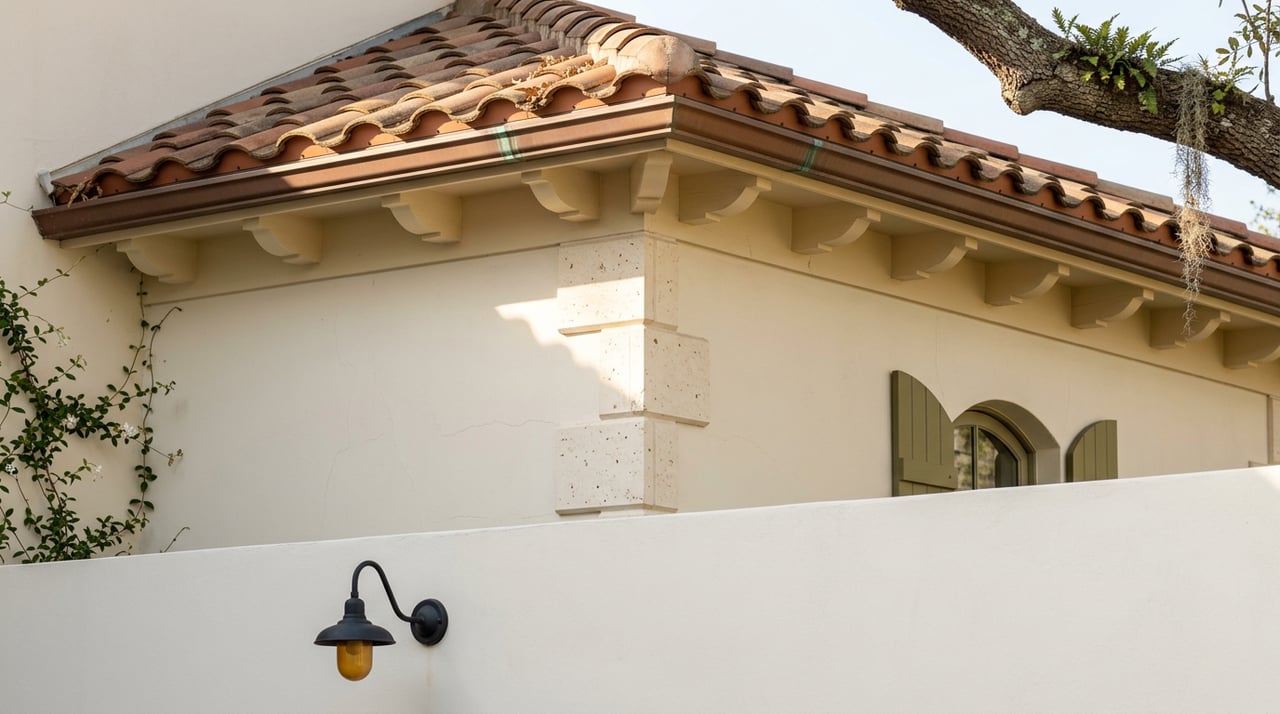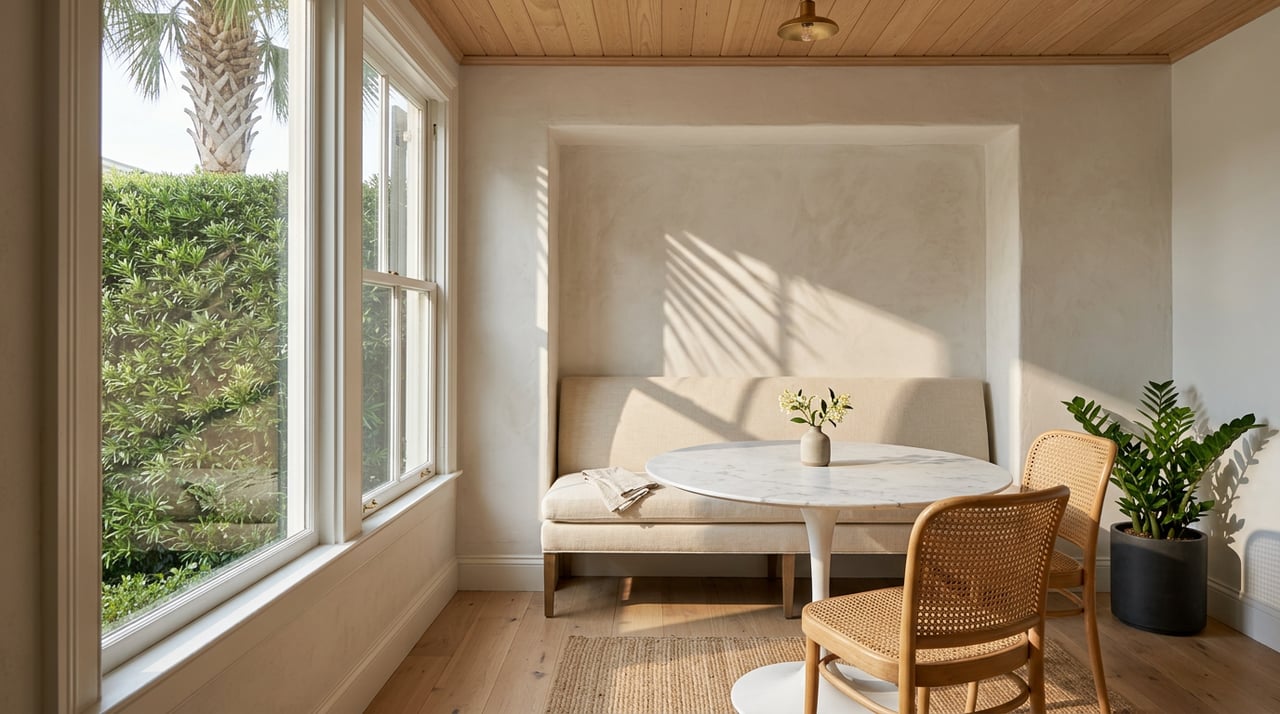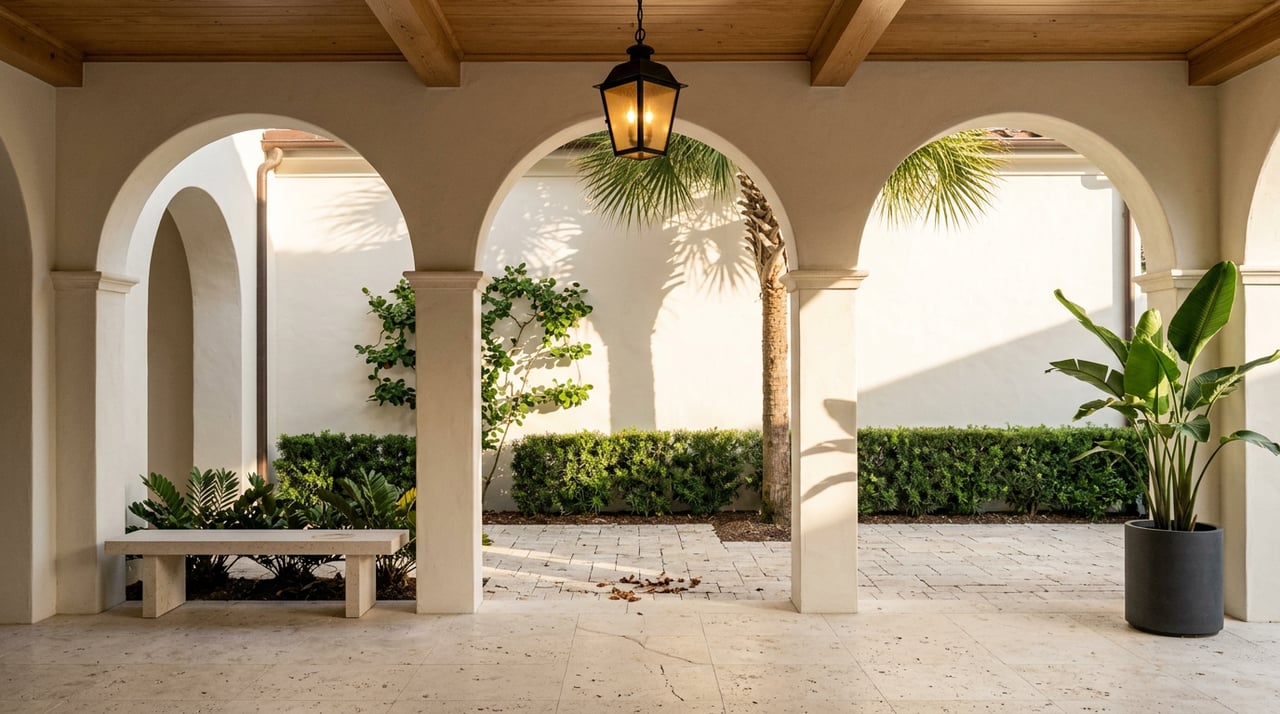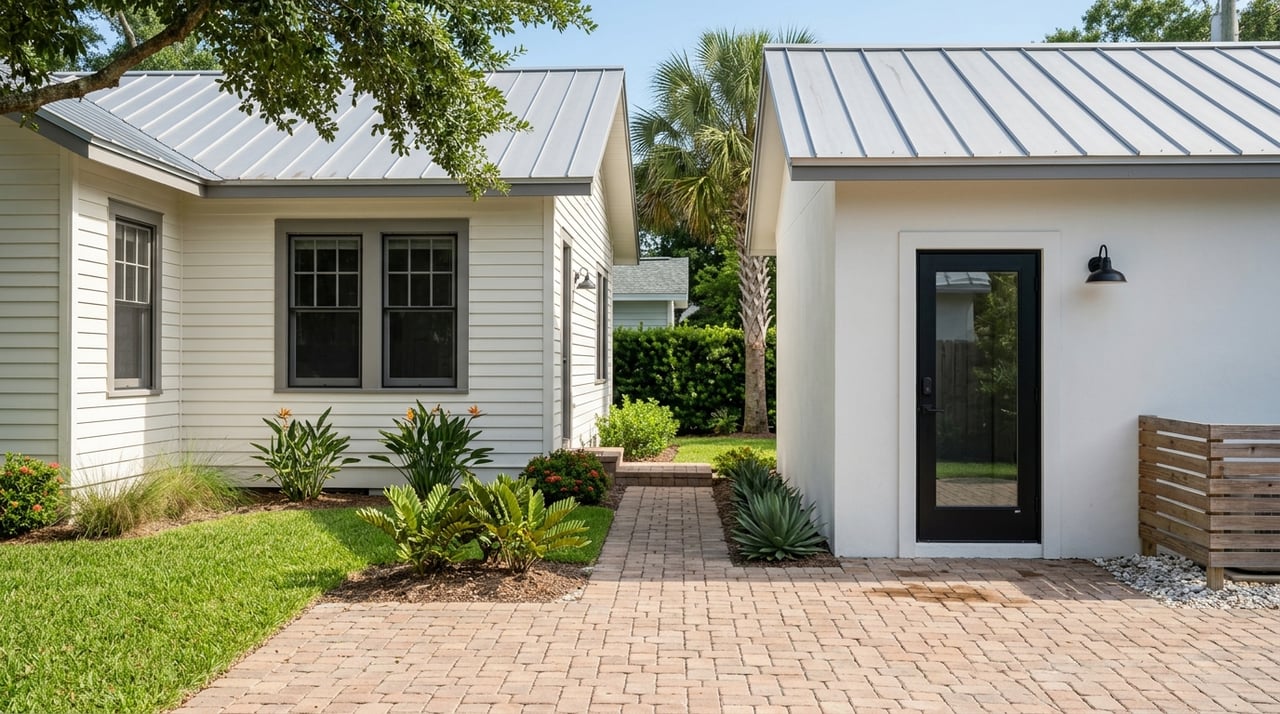
If you are eyeing a Seminole Heights bungalow as an investment, the opportunity is real, but so is the homework. This is one of Tampa’s most recognizable bungalow areas, and buyers and renters are often drawn to the same things: historic character, mature tree canopy, parks, and a neighborhood feel that stands out from newer housing stock. The upside usually comes from improving how the home lives without stripping away what makes it belong here. Let’s dive in.
Why Seminole Heights stands out
Seminole Heights has a strong identity that supports a smart bungalow investment thesis. The City of Tampa describes Old Seminole Heights as a tree-shaded community with early-1900s bungalows, Southeast Seminole Heights as a neighborhood primarily made up of restored bungalows, and South Seminole Heights as a mix that still includes 1920s bungalows alongside later ranch and modern homes. In parts of the broader area, some homes also fall within National Register and local historic districts, which can shape your renovation path and approval process.
That neighborhood identity is not just about architecture. According to the city, canopy coverage is substantial across the area, with Old Seminole Heights at 43%, South Seminole Heights at 44%, and Southeast Seminole Heights at 48% in the 2021 canopy analysis. The city has also identified Old Seminole Heights as one of the neighborhoods with the largest total acreage of canopy citywide, which helps explain the area’s established feel and curb appeal.
Lifestyle access adds another layer of value. Tampa’s planned Green ARTery pedestrian and bicycle network includes early segments in Old Seminole Heights and Lowry Park Central, and Rivercrest Park offers a riverfront trail, fishing docks, a canoe launch, a playground, and benches. For an investor, that means the property story is bigger than the house itself.
Character drives value
One reason Seminole Heights can reward thoughtful investors is that the neighborhood offers a mix of historic housing stock and everyday amenities. A city market assessment identified Tampa Heights and Seminole Heights as emerging retail areas and noted clusters of locally owned restaurants along Florida Avenue, with newer restaurants and breweries adding to the area’s experiential appeal. That kind of neighborhood-serving activity can support demand from people who want a home with personality and a location that feels connected.
For a bungalow investment, this matters because character is part of the asset. A well-restored or well-updated home that still looks and feels like a Seminole Heights bungalow may resonate more than a heavily altered property that loses its architectural identity. In this part of Tampa, preserving visible charm is not just aesthetic. It can also support long-term marketability.
Start with the right renovation priorities
The smartest bungalow upgrades usually begin with function. Before you spend heavily on finishes, focus on the systems and components that affect safety, comfort, and day-to-day livability. In an older home, that often means electrical, plumbing, HVAC, insulation, and roofing.
Once the bones are in good shape, you can turn to improvements that residents feel every day. Kitchen and bath refreshes, better storage, improved laundry function, and layout efficiency tend to offer practical value without changing the home’s identity. The goal is to make the property easier to live in while keeping the parts that make it distinctly Seminole Heights.
Preserve the features people notice
The Seminole Heights Design Guidelines favor repair and compatibility over wholesale replacement. They emphasize preserving original porch supports and ornamentation, maintaining the existing number and location of windows, matching original window proportions and patterns, keeping the original roofline and roofing material, and retaining original doors when possible.
That gives you a useful framework. If the front porch, entry, windows, and roof shape still communicate bungalow character, your updates are more likely to feel aligned with the neighborhood. Modern comfort tends to add value best when historic curb appeal stays intact.
Know when approvals may apply
Exterior changes can trigger extra review, especially if the home is in a local historic district or contributes to one. The city notes that exterior rehab in those cases can be subject to Architectural Review Commission review and a Certificate of Appropriateness. The design guidelines also caution that changes to siding, stucco, solar collectors, and other exterior elements may require approval.
The city’s guidance on solar is also specific. Solar collectors are recommended where they are not visible from the street, and parking should be screened so it does not dominate the front yard or street view. These details matter because a design decision that seems minor on paper can affect both compliance and resale appeal.
Build your rental strategy around code
A Seminole Heights bungalow can work as an income property, but the right strategy depends on how you plan to use it. This is where many investors need to slow down and match the business plan to the rules before underwriting returns.
ADUs can work in the right setup
The City of Tampa states that accessory dwelling units are allowed in Seminole Heights and lists mother-in-law cottages, tiny homes, and garage apartments as examples. ADUs are treated as special uses, and the main residence must be owner-occupied. The city also advises owners to confirm the applicable zoning district before moving forward.
That means an ADU may be a practical option if you plan to live in the main home and use a compliant secondary unit to help offset carrying costs. It does not mean every lot or every renovation plan will qualify. Site constraints and zoning details should be confirmed early.
Short-term rental assumptions can create risk
If your initial plan depends on short-term rental income, read the city rules carefully. Tampa notes that occupancy periods under one week can trigger a lodging-unit or hotel definition, which is not permitted in residential ADUs and extended family residences. In other words, projected income only helps if the use is actually compliant.
This is a big reason Seminole Heights investors should avoid buying based on best-case rental assumptions. A bungalow may still be a strong asset, but the income model should fit city requirements, not just neighborhood demand.
Long-term rentals still require setup
For long-term rental use, Tampa says owners or agents operating a house, apartment, or rooming house for private gain must obtain a Business Tax Receipt. The city also notes that the former rental-certificate requirement was repealed in 2023, which changes part of the old compliance checklist.
If an ADU will be rented, the city’s FAQ says the property appraiser may assess it separately as a non-homestead unit. That can affect how the property is taxed and may influence the Save Our Homes cap. For investors or part-time owner-occupants, that is worth modeling before you close.
Due diligence before you buy
Older homes can be rewarding, but they usually ask for more careful diligence. In Seminole Heights, the neighborhood context adds another layer because design review, zoning, and site conditions can directly affect your renovation timeline and budget.
Here are the core questions to answer before you move forward:
- Is the property in a local historic district or contributing to one, creating a potential need for ARC review or a Certificate of Appropriateness?
- Could the home qualify for the city’s historic preservation tax exemption program if you secure pre-rehabilitation approval and complete at least $10,000 in eligible work?
- Is an ADU or addition actually possible on the lot under the current zoning and special-use requirements?
- Will taxes, insurance, or rental use change your carrying costs or homestead treatment?
- Does the site need added review for flood, drainage, sidewalks, utilities, or other infrastructure?
The city’s neighborhood pages for Old Seminole Heights and South Seminole Heights also show why lot-level verification matters. Ongoing water, stormwater, sidewalk, and park projects are reminders that each property should be evaluated on its own conditions rather than broad neighborhood assumptions.
What a smart investment really looks like
The best Seminole Heights bungalow investments are rarely the ones with the flashiest renovation plans. More often, they are the homes where you improve the systems, make the layout work better, and respect the visible details that give the property its place in the neighborhood. That balance can help you appeal to future buyers, long-term tenants, or your own lifestyle needs if you plan to live there part time.
In practical terms, Seminole Heights rewards investors who preserve character while improving function. The tree canopy, park access, neighborhood businesses, and bungalow identity all support demand. At the same time, local design rules, zoning questions, and use restrictions make thoughtful planning part of the investment equation.
If you are considering a Seminole Heights bungalow and want guidance that blends neighborhood knowledge with real investment perspective, Harvey Petty can help you evaluate the property, the block, and the strategy with a local, high-touch approach.
FAQs
What makes a Seminole Heights bungalow a strong investment?
- A strong investment usually combines preserved bungalow character, functional updates, and a location supported by tree canopy, park access, and neighborhood-serving businesses.
What renovation work should you prioritize in a Seminole Heights bungalow?
- Start with major systems like electrical, plumbing, HVAC, insulation, and roofing, then focus on kitchens, baths, storage, laundry, and layout improvements that keep historic exterior features intact.
What historic rules can affect a Seminole Heights bungalow renovation?
- If the property is in a local historic district or contributes to one, exterior work may require ARC review and a Certificate of Appropriateness, and some changes may need added review under the design guidelines.
What should you know about adding an ADU in Seminole Heights?
- ADUs are allowed in Seminole Heights as special uses, but the main residence must be owner-occupied, zoning must be confirmed, and not every lot or plan will qualify.
What are the short-term rental limits for a Seminole Heights bungalow?
- Tampa states that occupancy periods under one week can trigger a lodging-unit or hotel definition, which is not permitted in residential ADUs and extended family residences.
What permit or tax issue should you review before renting a Seminole Heights property?
- For long-term rentals, owners or agents operating a property for private gain must obtain a Business Tax Receipt, and a rented ADU may be assessed separately as a non-homestead unit.