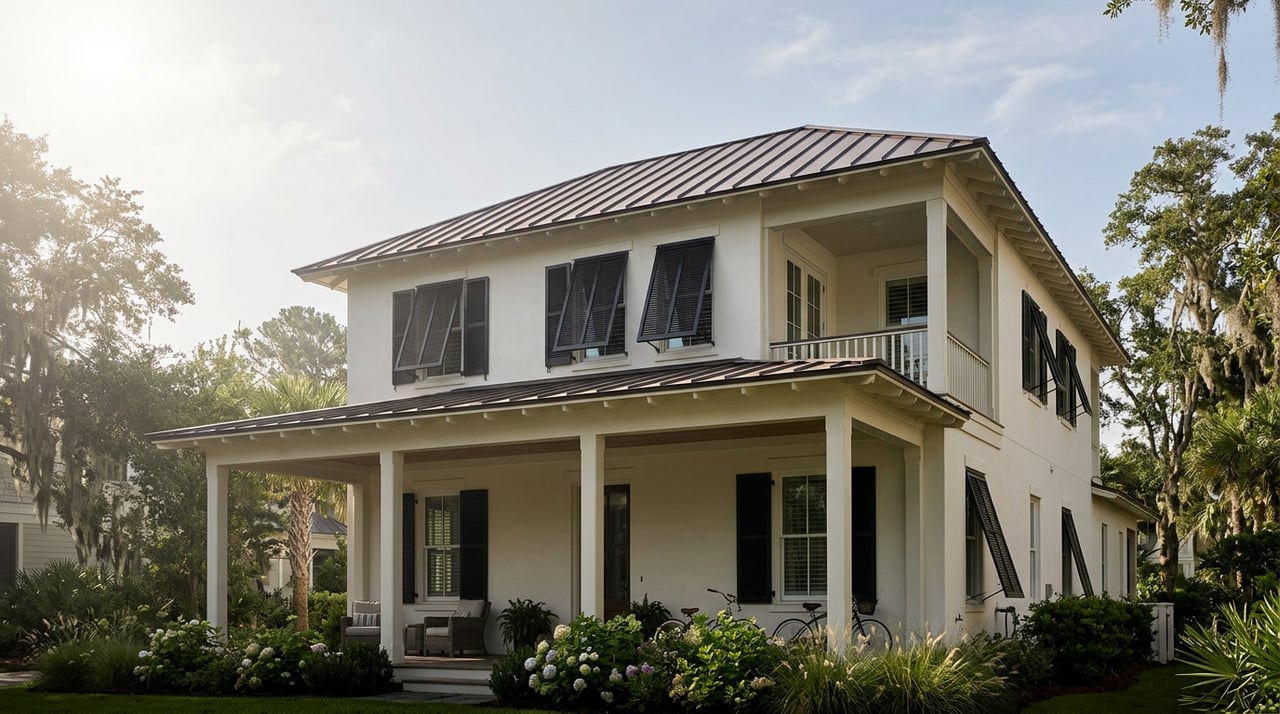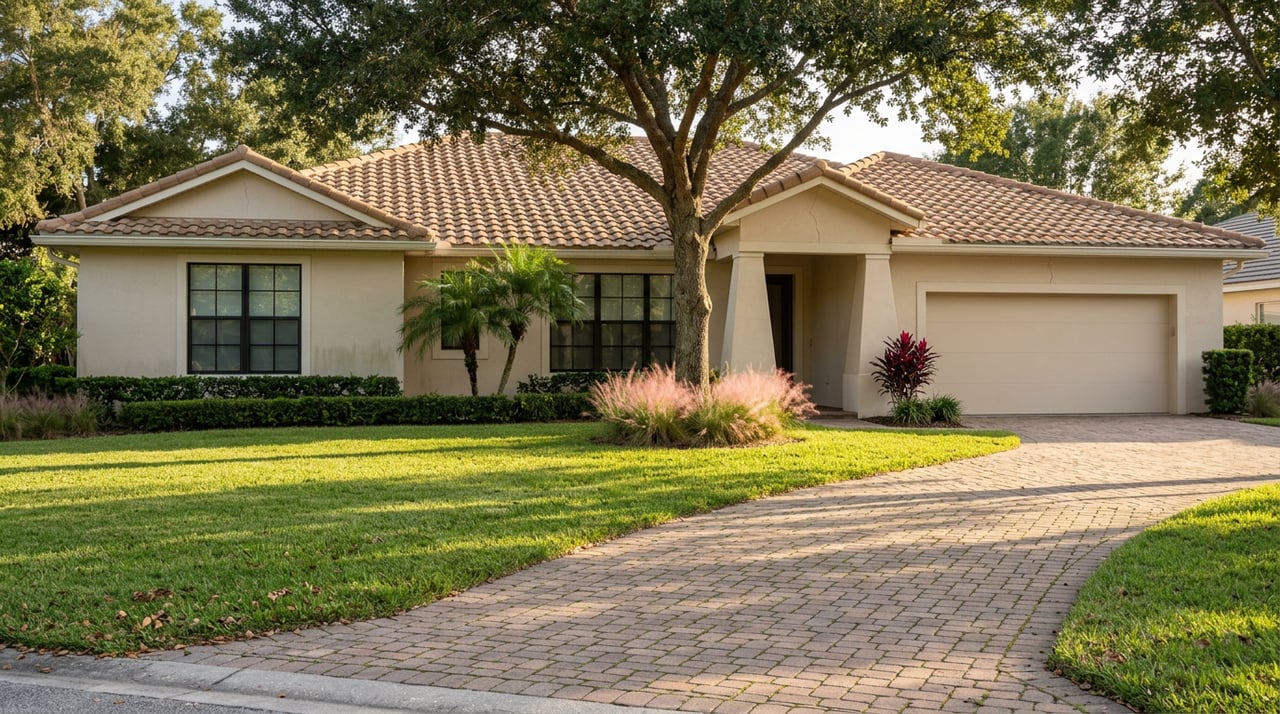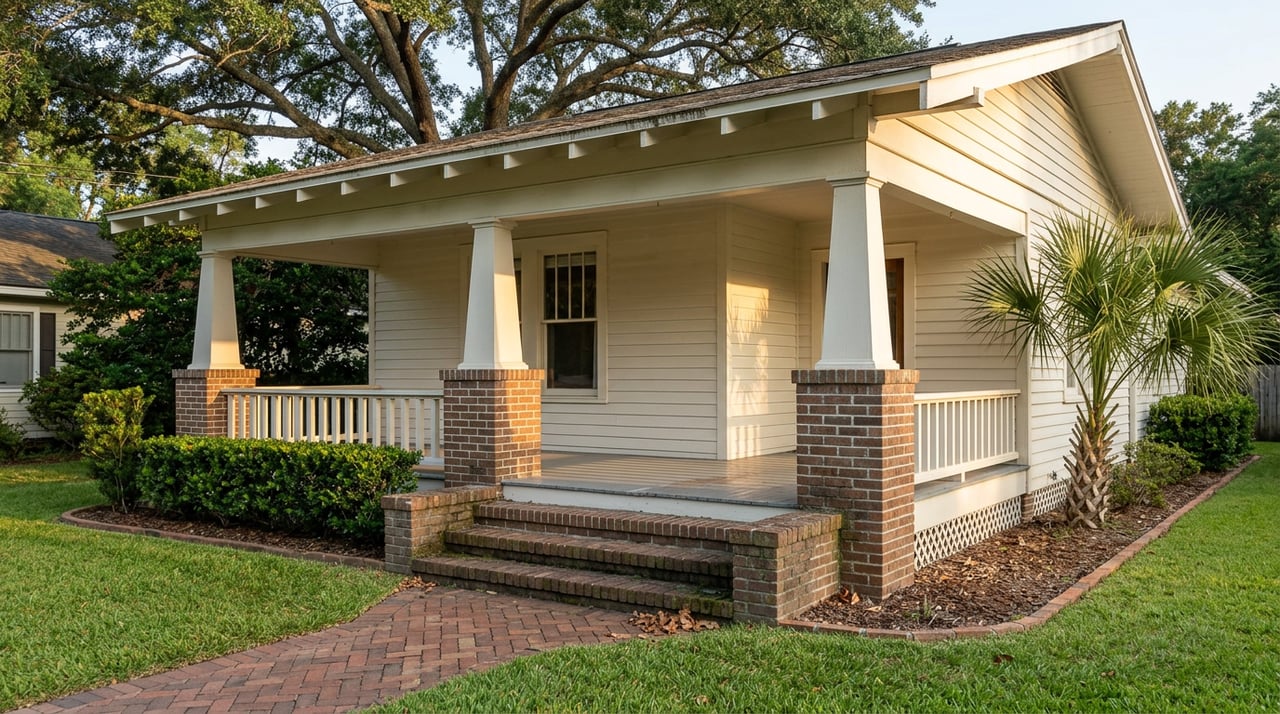
Wondering whether your Clearwater move should land on the beach or on the mainland? It is a common question, and the answer usually comes down to how you want to live day to day, not just what looks best in a listing photo. If you are comparing a Clearwater Beach condo with a mainland home, this guide will help you weigh lifestyle, upkeep, parking, storm planning, and budgeting so you can make a more confident choice. Let’s dive in.
Compare the daily lifestyle
A Clearwater Beach condo offers a true barrier-island setting. The city describes Clearwater Beach as a walkable area with restaurants and shops nearby, plus year-round lifeguards and daily beach cleaning, all connected to downtown by Memorial Causeway via State Road 60. If your ideal routine includes easy beach access and a more resort-like feel, that can be a major draw.
Mainland Clearwater feels different. Downtown centers around places like Coachman Park and the Clearwater Harbor Marina, along with the Cleveland Street retail and entertainment district. In practical terms, that often feels more like everyday city living than beach-resort living.
Choose the setting you want
If you want to walk to the sand, grab dinner nearby, and enjoy a more vacation-style environment, the beach side may fit you best. If you want a more traditional residential routine with easier access to downtown services and mainland streets, a home on the mainland may feel more natural.
This is one of the biggest decision points because it shapes how your home feels every single week. Even a beautiful property can feel like the wrong fit if the surrounding setting does not match your habits.
Understand condo fees and home upkeep
One of the clearest differences between a condo and a single-family home is how maintenance is handled. Under Florida condo law, the association is generally responsible for maintaining, repairing, and replacing common elements, while assessments represent each owner’s share of common expenses.
That can make condo ownership feel more streamlined, especially if you do not want to manage exterior upkeep yourself. At the same time, those costs do not disappear. They are often built into monthly dues and, in some cases, special assessments.
By contrast, a mainland single-family home usually gives you more direct control over the roof, exterior, yard, and updates. The tradeoff is that you are also responsible for planning and paying for those items more directly.
Budget beyond the mortgage
The Consumer Financial Protection Bureau notes that your monthly housing cost can include principal and interest, property taxes, homeowner’s insurance, flood insurance, and homeowners’ association fees. Buyers should also budget separately for maintenance, repairs, and utilities.
In simple terms, a condo often shifts some exterior costs into dues, while a single-family home usually gives you more control but more direct responsibility. Neither option is automatically cheaper. The better choice depends on how you prefer to manage your money and your time.
Review condo due diligence carefully
If you are considering a Clearwater Beach condo, your due diligence matters more than ever. Florida now requires certain condo-related disclosures for applicable buildings, and buildings that are three habitable stories or more must have a milestone inspection by the end of the year they turn 30, with repeat inspections every 10 years.
Current contract disclosure rules also require buyers to receive milestone inspection and structural integrity reserve study documents when applicable. That means condo buyers should pay close attention to the building’s age, condition, reserves, and document package before moving forward.
Ask these condo questions
Before you commit to a beach condo, verify:
- What the monthly dues cover
- Whether reserves appear adequately funded
- Whether the building is subject to milestone inspection requirements
- Whether the seller has provided all required documents
- How assessments are handled under the association’s governing documents
These questions are not just technical details. They can directly affect your monthly budget, future costs, and comfort level as an owner.
Look at parking and access
Parking can shape your experience more than buyers expect. On Clearwater Beach, on-street parking is enforced every day, costs $3.50 per hour, carries a 5-hour limit, and public parking is not allowed north of the Acacia Roundabout.
Downtown Clearwater parking is generally less restrictive. According to the city’s downtown parking information, on-street parking is $1 per hour, lots are $0.75 per hour, and some areas are free outside enforcement hours.
That does not mean every mainland home has perfect parking or every beach condo has a parking problem. It does mean the beach side typically comes with tighter supply and stricter day-to-day rules.
Factor in guests and routines
If you regularly host friends or family, parking deserves extra attention. You will want to know whether a condo includes assigned parking, whether extra spaces are rented separately, and how guests are expected to park.
Clearwater residents may qualify for a 50% resident parking discount through ParkMobile, which can help. Still, convenience often differs noticeably between the beach and the mainland.
Think about transportation and commuting
If you hope to reduce how often you drive, Clearwater offers a few helpful options. The PSTA Clearwater Ferry and trolley services connect Clearwater, Clearwater Beach, and Dunedin, including service between downtown Clearwater and the beach corridor.
That can make outings easier, especially for dining, events, or weekend trips. Even so, your daily pattern matters. If you expect frequent in-and-out driving, school runs, client meetings, or regular errands inland, a mainland home may feel simpler.
Match the home to your routine
A beach condo can work well if your priority is access to the shoreline and nearby dining, and you are comfortable planning around bridge travel, parking, and tourist activity. A mainland home may be easier if your schedule depends on straightforward car access and less friction getting around.
Plan for storms and flood risk
This is where the beach-versus-mainland decision becomes especially practical. Clearwater Beach residents and business owners may need to register for emergency access permits through the city’s Barrier Island Re-Entry Program after an evacuation.
Pinellas County also emphasizes knowing your evacuation zone as a first step in storm planning. For many buyers, this is not a deal-breaker. It is simply part of understanding the logistics that can come with barrier-island ownership.
Flood risk also matters on both sides of the bridge. According to FEMA’s Flood Map Service Center, flood maps are the official way to understand flood hazard, and federally regulated or insured lenders require flood insurance for buildings in Special Flood Hazard Areas in participating communities.
Verify the exact parcel
Do not assume a beach address always means one flood outcome, or that a mainland address means none. The right move is to verify the exact parcel, confirm the flood zone, and ask your lender whether flood insurance will be required.
In general, beach properties often require more attention to evacuation planning, flood insurance, and post-storm access. Mainland homes may reduce some of those barriers, but they do not remove flood considerations entirely.
Use a simple decision framework
When buyers feel stuck, it usually helps to step back and look at fit. A Clearwater Beach condo often makes sense if you want immediate beach access, a walkable environment, and less hands-on exterior maintenance, and you are comfortable with association rules, parking limits, and storm procedures.
A mainland single-family home often makes sense if you want more privacy, more direct control over the property, and fewer day-to-day complications around parking and access. In exchange, you will usually take on more maintenance responsibility yourself.
Ask yourself these questions
Use this short checklist to clarify your direction:
- Do you want beach access built into daily life?
- Are you comfortable with condo dues and association rules?
- Would you rather handle maintenance yourself or have more of it managed through an association?
- How important is easy parking for you and your guests?
- Are you prepared for barrier-island storm procedures if you buy on the beach?
- Do you want more privacy and control over the property?
If your answers lean toward convenience, walkability, and lower exterior involvement, a beach condo may be the better fit. If your answers lean toward space, control, and simpler everyday access, the mainland may be the stronger choice.
Make the choice with clarity
There is no one-size-fits-all answer in Clearwater. The right property is the one that matches how you actually live, how you want to budget, and how much complexity you are comfortable managing.
That is where local guidance can make a real difference. If you are weighing Clearwater Beach against the mainland and want a thoughtful, high-touch perspective on which option fits your goals, connect with Harvey Petty for tailored guidance across Tampa Bay and select Pinellas County markets.
FAQs
What is the biggest lifestyle difference between a Clearwater Beach condo and a mainland Clearwater home?
- A Clearwater Beach condo usually offers a more walkable, beach-oriented setting near dining and shops, while a mainland home usually feels more like traditional city or neighborhood living.
What costs should you compare when choosing a Clearwater Beach condo or mainland home?
- You should compare mortgage costs, property taxes, insurance, possible flood insurance, HOA or condo fees if applicable, utilities, and your expected maintenance and repair expenses.
What condo documents should you review before buying a Clearwater Beach condo?
- You should review what the dues cover, whether reserves appear funded, whether milestone inspection rules apply, and whether required milestone inspection or structural integrity reserve study documents have been provided when applicable.
How does parking differ between Clearwater Beach and mainland Clearwater?
- Clearwater Beach generally has stricter and more expensive city-managed parking, while downtown Clearwater parking is typically less expensive and less restrictive based on the city’s posted rules.
Do Clearwater Beach buyers need to think more about storm planning?
- Yes. Clearwater Beach buyers should understand evacuation procedures, possible re-entry permit needs after evacuations, and the flood zone and insurance requirements for the exact property they are considering.
Can mainland Clearwater homes still have flood risk?
- Yes. Flood risk should be verified property by property through FEMA flood maps, because flood considerations can apply on both sides of the bridge.