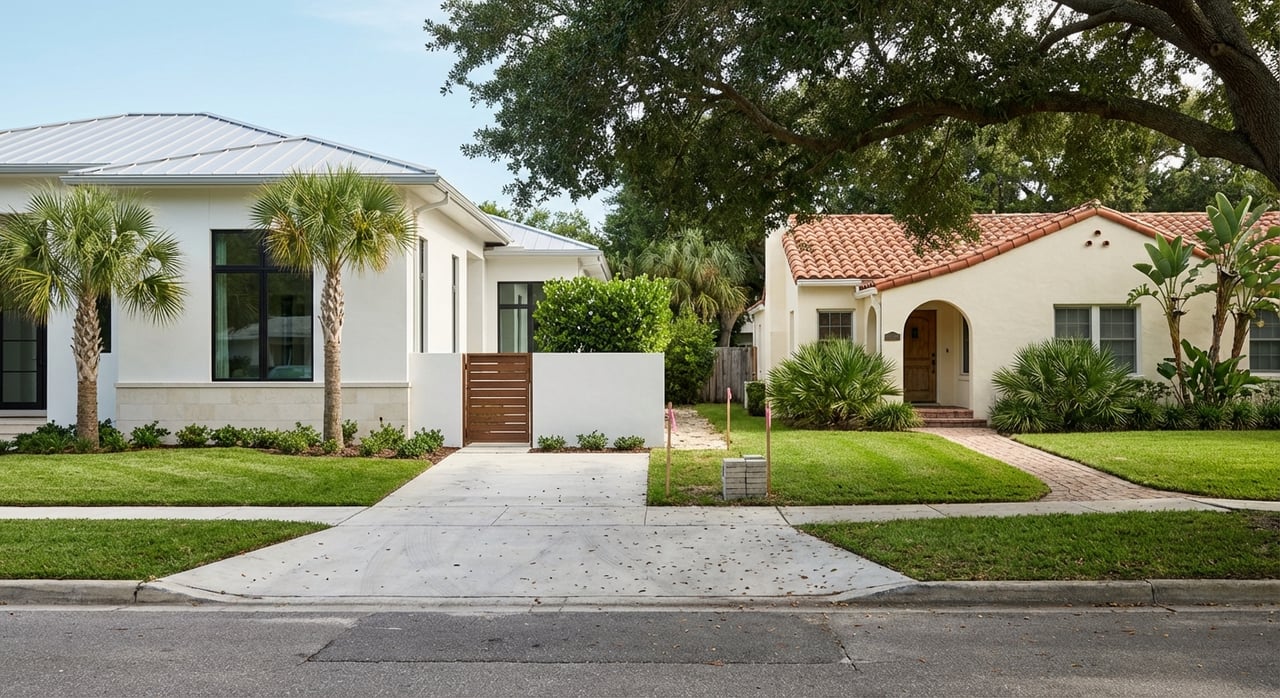
You have probably noticed more dumpsters, cleared lots, and crisp white stucco around Beach Park lately. If you are weighing a move, a remodel, or a sale, it helps to understand how new construction is changing the neighborhood’s luxury market. In this guide, you will see what is being built, what buyers value, how pricing is shifting, and what to consider before you tear down or buy new. Let’s dive in.
Beach Park today: legacy meets modern
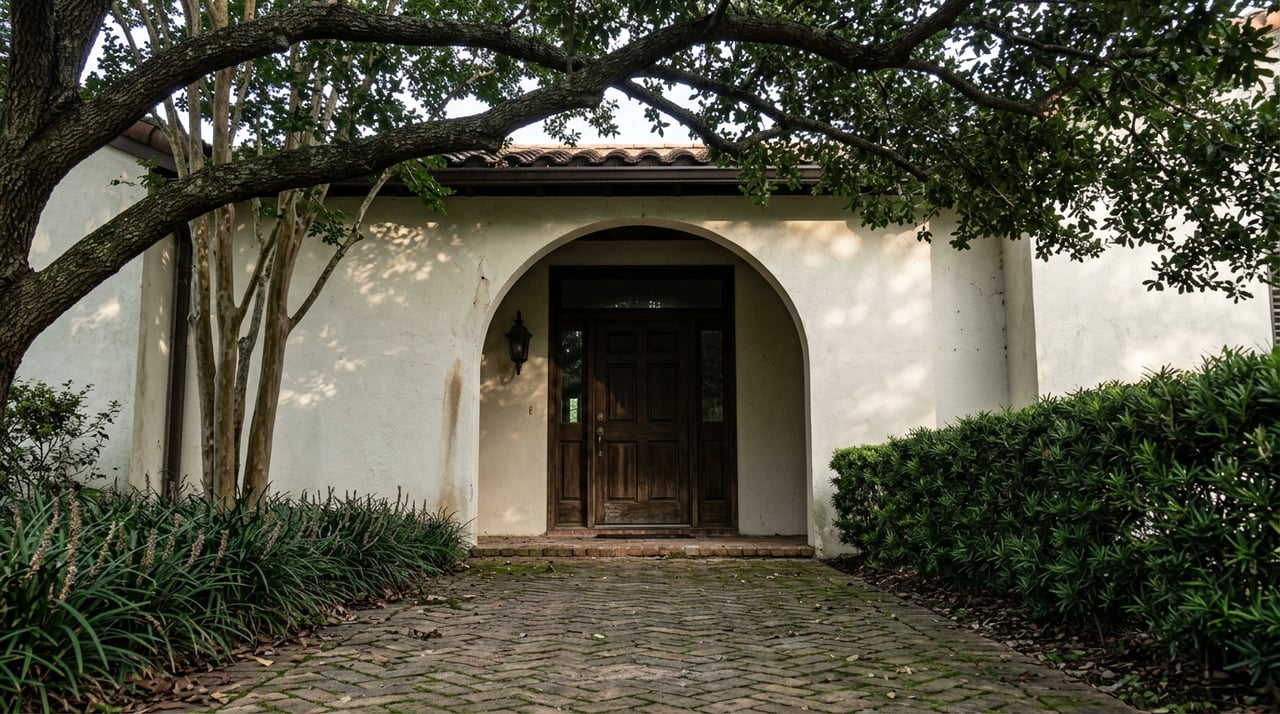
Beach Park is one of South Tampa’s classic neighborhoods, known for large lots, mature oaks, and early Mediterranean and Spanish‑Revival roots. That character still anchors the streetscape. The City of Tampa notes ongoing capital efforts around stormwater and drainage that support long‑term neighborhood resilience, which many buyers now factor into their decisions. You can explore the city’s neighborhood context and projects on the Beach Park page.
National data vendors show Beach Park’s luxury profile holding firm. Vendor snapshots like Zillow’s ZHVI have placed the neighborhood’s average home value around $1.27 million in recent reporting cycles. Different data sets can show different medians due to sample size and timing, so it is smart to confirm current pricing through the MLS when you are close to a decision.
What is being built now
Across Tampa Bay, permit activity has been elevated compared with prior years. That tells you where future inventory is likely to appear. Plan Hillsborough’s analysis shows the region issuing significantly more residential permits in recent years than in 2019, a signal that rebuilding and infill are active themes. You can review the regional backdrop in Plan Hillsborough’s permit overview.
On the ground in Beach Park and nearby Sunset Park, several patterns stand out:
- More single‑family teardowns where lot values support larger replacement homes.
- Double‑lot or reconfigured parcels for estate‑scale builds.
- Spec and custom projects that offer “lot plus plans” to speed timelines.
Market tone matters too. Reporting on parts of Tampa Bay in 2024 and 2025 shows stretches of slower absorption and more listings sitting longer, which affects both pricing and incentives. You can see this broader trend in Axios’ local coverage.
Design and features redefining luxury
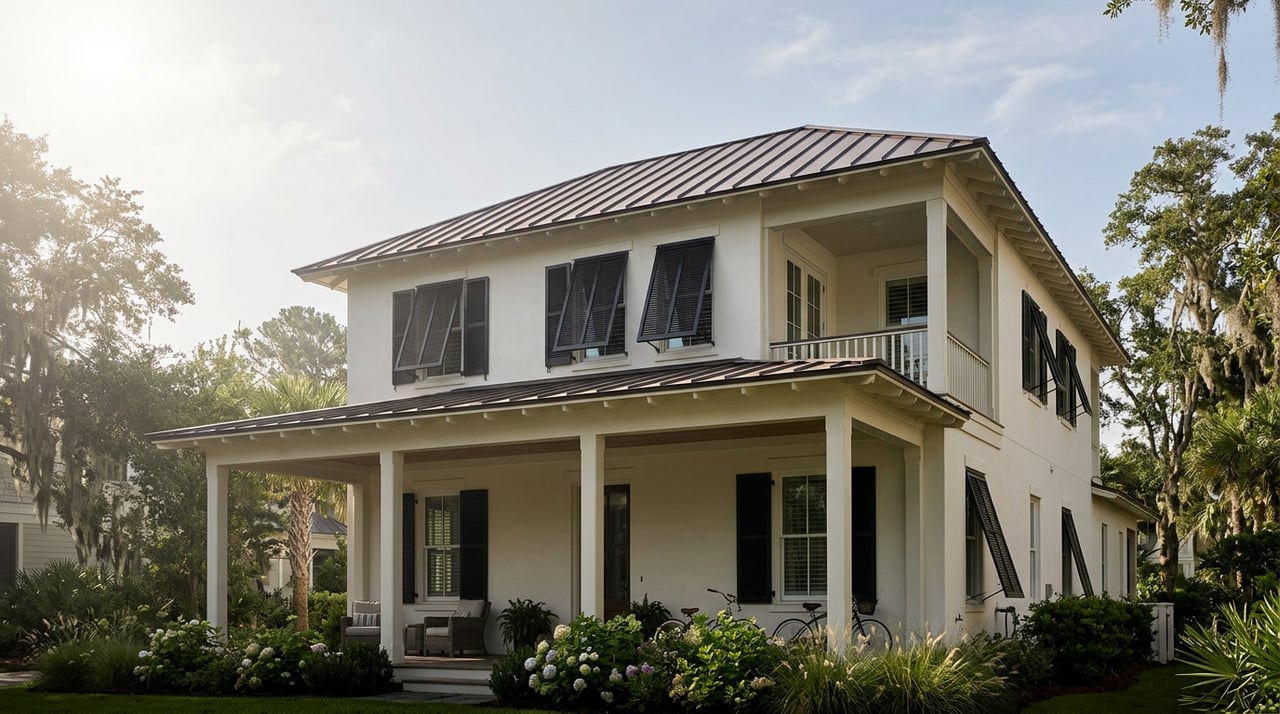
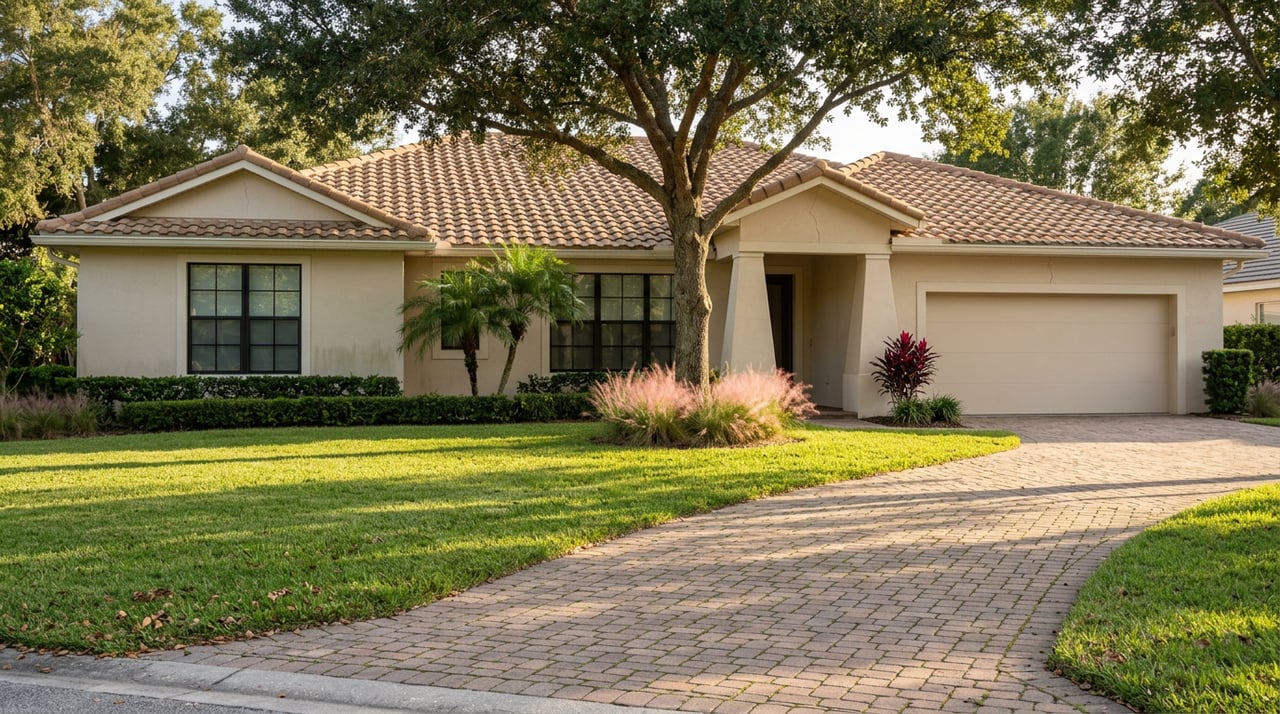
Beach Park’s original aesthetic leaned Mediterranean and Spanish‑Revival, and many of those homes remain. New construction often blends that lineage with a clean modern‑coastal or transitional look. Expect stucco or stone with metal accents, black‑frame impact windows, and streamlined profiles that still respect scale and setbacks. For a quick history backdrop, see South Tampa Magazine’s Beach Park overview.
Luxury buyers in 2024–2025 show a strong preference for move‑in‑ready homes with wellness, sustainability, and smart‑home integrations. Locally, that translates into:
- Large kitchens with professional appliances, sculleries, and oversized islands.
- First‑floor or suite‑style primary bedrooms, depending on lifestyle needs.
- Seamless indoor‑outdoor living with wide sliders, covered loggias, and pool decks.
- Impact‑rated glazing, EV charging, smart panels, and efficient HVAC.
Resilience is also shaping the product. Modern Florida Building Code wind and flood provisions favor elevated finished floors or engineered slab strategies, stronger building envelopes, and impact‑rated openings. Those choices protect the home and can help with insurability and long‑term maintenance. For deeper context on why code‑compliant rebuilding performs better, see FEMA’s Building Science publications.
Pricing, value, and competition
New construction changes lot values and buyer math. In a neighborhood where buildable lots are limited, a cleared or double lot often trades at a premium because it delivers location and a shorter path to a custom home. Sellers sometimes market lots with demolition complete or permits in process to capture that value and compress timelines.
You should also weigh new builds against renovated older homes:
- New builds often command a premium for turnkey systems, open plans, impact glass, energy features, and low near‑term maintenance.
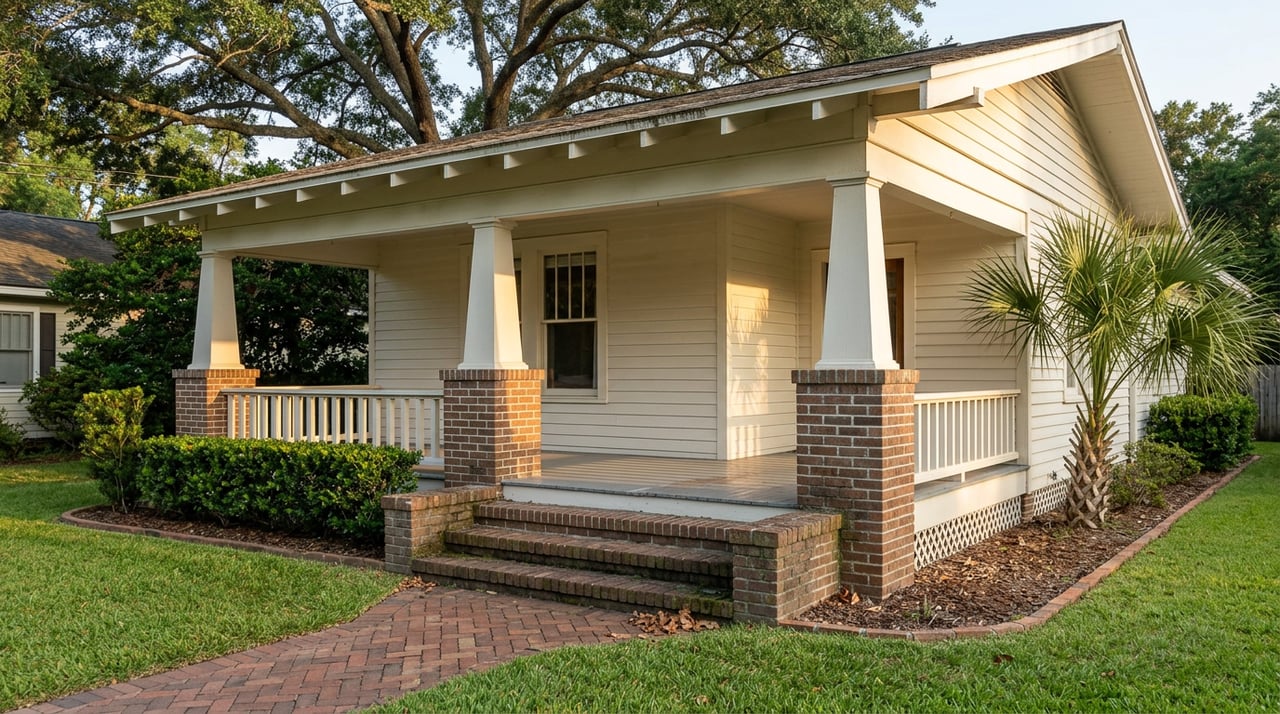
- Renovated homes offer character, mature landscaping, and sometimes lower initial purchase price. The tradeoff is potential system updates and, for major renovations, the risk of triggering flood or wind code requirements.
In a market with more choice and longer marketing times, builder premiums can soften and incentives may appear. National coverage in 2024–2025 has highlighted instances of buyer concessions and builder credits where financing and demand tightened. For context, see MarketWatch’s reporting on buyer deals and the Axios Tampa Bay market snapshot.
Redevelopment checklist for owners
If you are considering a tear‑down or major rebuild in Beach Park, planning upfront protects your budget and timeline. Use this quick checklist to set the right path.
- Confirm zoning and lot standards. Beach Park parcels are typically in RS districts with minimum lot area and setbacks that shape what you can build. Consult Tampa’s RS‑75, RS‑100, and related standards, and verify subdivision assumptions before you buy. A helpful overview of Tampa zoning districts is summarized here.
- Schedule a pre‑application meeting. Tampa’s Development Coordination team can flag site sufficiency issues, stormwater expectations, and tree rules early. A local guide to Tampa’s pre‑application process is outlined in this permitting overview.
- Plan for demo and site prep. Budget for demolition permits, debris removal, tree approvals, soil testing, grading, and any fill to meet finished floor elevation.
- Map your permits and timelines. Plan review and sequential approvals can take weeks to months based on plan completeness and coordination. Anticipate value‑based permit fees, professional plans, and engineering.
- Account for flood and waterfront permitting. Waterfront projects like docks and seawalls often require state and federal coordination, and some reviews are not administrative. The USACE Jacksonville District maintains current guidance in its public notices.
- Model property tax changes. New construction typically triggers reassessment that can raise annual taxes based on the value added. For a general primer on how improvements affect assessments, see this overview of reassessment impacts. Always confirm specifics with the Hillsborough County Property Appraiser.
Buyer decision guide: new vs renovated
Comparing two great options can be tough. Use these steps to focus on total value and risk.
- Calculate total cost to occupy. Add estimated insurance, flood mitigation, potential seawall upkeep for waterfront, energy upgrades, and likely near‑term system replacements on older homes. New builds can reduce near‑term capital risk. FEMA’s Building Science library offers useful context on mitigation benefits.
- Verify permits and scope. For renovated homes, confirm that past work was permitted and whether it triggered substantial‑improvement rules under floodplain and building codes. For new builds, check builder reputation, warranty terms, and post‑closing service. A local process overview is available in this Tampa permitting guide.
- Compare true peers. Look at recent sales of new builds and recent gut renovations within Beach Park and adjacent South Tampa blocks. Small sample sizes can swing medians, so focus on like‑kind comparables through the MLS.
What it means for sellers
If you own in Beach Park, today’s new construction wave gives you options. You can modernize and capture a move‑in‑ready premium, or you can position your property as a high‑value lot for a custom build. Cleared parcels, double‑lot potential, and in‑process permits can all raise buyer urgency. City investments in stormwater and drainage, outlined on the Beach Park neighborhood page, add to the long‑term appeal.
A precise strategy starts with hyper‑local comps, realistic timelines, and a marketing plan that targets end‑users and, when appropriate, builders. The right approach can expand your buyer pool and support a stronger net.
Your next move
Whether you are buying, selling, or planning a rebuild, a local strategy tailored to your street and lot is the difference between a good outcome and a great one. If you want a clear view of the numbers, timelines, and tradeoffs in Beach Park, let’s talk through it together. Reach out to Harvey Petty for a confidential consult and a plan that fits your goals.
FAQs
What does Beach Park new construction look like today?
- You will see modern‑coastal and transitional homes with impact windows, open plans, and indoor‑outdoor living that respect neighborhood scale and setbacks, alongside preserved Mediterranean and Spanish‑Revival homes.
How do flood and wind codes affect Beach Park builds?
- Florida Building Code and local floodplain rules drive elevated floors, stronger envelopes, and impact‑rated openings that improve performance and can help with insurance; FEMA’s Building Science publications explain why these strategies work.
Is it smarter to buy new or a renovated home in Beach Park?
- New builds offer turnkey systems and low near‑term maintenance, while renovated homes offer character and mature landscaping; compare total cost to occupy, needed upgrades, insurability, and resale potential using MLS comps and mitigation insights from FEMA.
How long do Tampa permits and construction take for a rebuild?
- Timelines vary by scope and plan completeness; expect weeks to months for reviews and sequential approvals, so use a pre‑application meeting with Tampa’s Development Coordination team to surface issues early as outlined in this local permitting overview.
Will a tear‑down or major remodel raise my Hillsborough County taxes?
- Yes, new construction typically triggers reassessment for the value added, which can increase your annual bill; review this assessment primer and confirm details with the county property appraiser.
Are docks and seawalls easy to approve for Beach Park waterfront homes?
- Do not assume fast approvals; many projects require state and federal coordination, and some are not administrative. Check current guidance via the USACE Jacksonville District’s regulatory notices.