Trying to decide between a condo or a townhome on Harbour Island? You’re not alone. Many busy professionals and downsizers love the island’s downtown access and low-maintenance lifestyle, but each property type delivers a different day-to-day experience. In this guide, you’ll learn how condos and townhomes compare on layout, amenities, parking, rules, insurance, financing, and storm risk, plus a smart checklist to use before you write an offer. Let’s dive in.
Harbour Island at a glance
Harbour Island sits just across the Garrison Channel from Downtown Tampa, with easy reach to the Riverwalk, Amalie Arena, and Channelside. The neighborhood blends high-rise and mid-rise condominiums with townhome enclaves and a marina setting.
- Walkability is mixed. The area earns a “somewhat walkable” score overall, with better scores near bridges and activity hubs. The water taxi and two pedestrian bridges expand your car-free options. You can check neighborhood scores on the official Walk Score page for Harbour Island. See the current Walk Score.
- Property mix includes towers like Seddon Cove, The Garrison, and The Grandview, plus townhome communities such as The Keys and Harbourside, and gated Island Homes on interior streets. For a quick feel of these sub-communities, review this local overview of the five communities that define Harbour Island. Explore community highlights.
Condos vs townhomes: quick fit
- If you want single-floor living, security, and lock-and-leave ease, a condo often fits best.
- If you want a private entrance, a garage, and outdoor space with a house-like feel, a townhome is a strong option.
- If you commute downtown or travel often, prioritize buildings with solid parking and straightforward guest access.
Privacy and layout
Condos: daily living
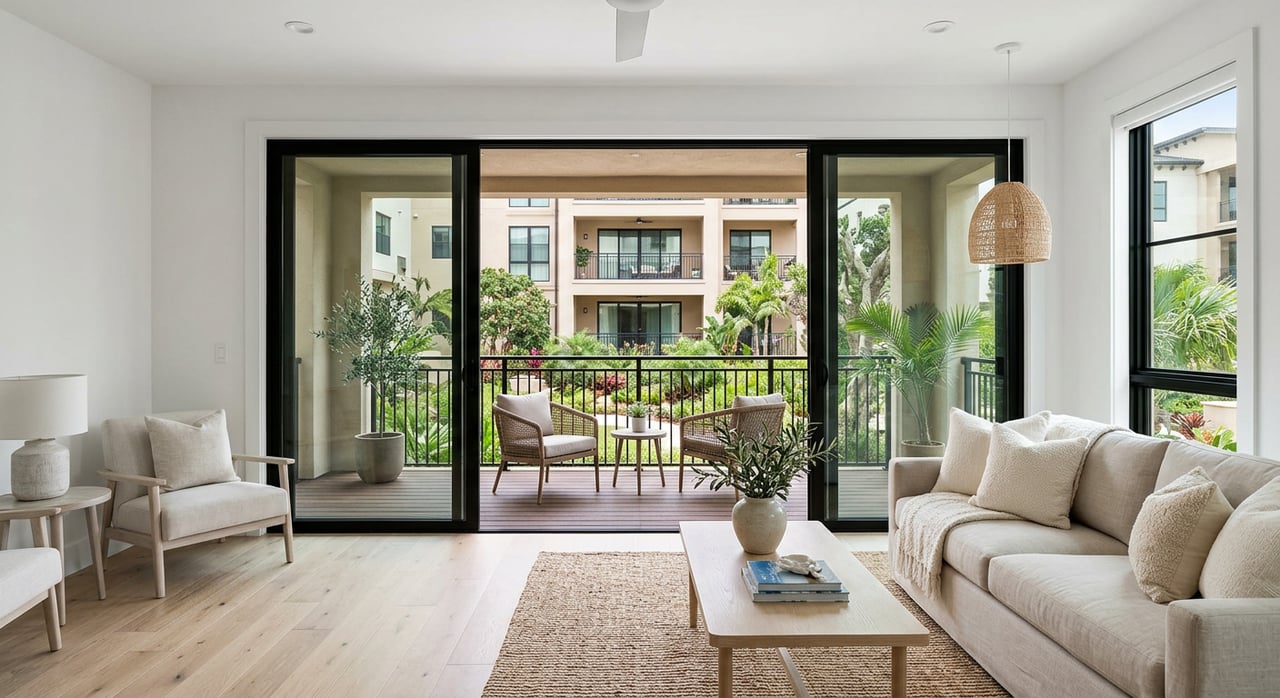
Most Harbour Island condos offer single-floor living, elevator access, secured lobbies, and interior corridors. You handle very little exterior maintenance, and many buildings include staff or on-site management. The tradeoff is more shared walls and common areas.
Townhomes: daily living
Townhomes in enclaves like Harbourside and The Keys are typically multi-level with private front doors, small patios or courtyards, and deeded garages. You gain direct street access and a more house-like footprint but give up elevator convenience and single-level living. To see what a townhome enclave provides, review community features from Harbourside. View Harbourside amenities.
Amenities and services
Condos: full-service lifestyle
Taller buildings often deliver concierge or valet, fitness centers, pools, and controlled access. These services are the reason many relocating professionals prefer a tower. Expect higher amenity levels to be reflected in monthly dues.
Townhomes: scaled amenities
Townhome communities usually include a neighborhood pool, small parks or gazebos, and shared green spaces. You rarely find 24-hour concierge or valet. Harbourside, for example, lists a central pool and park as its core amenities. See Harbourside’s community overview.
Parking and guests
Condos: assigned and structured
Parking in condo towers is typically assigned in a secure garage, and premium residences may include multiple spaces. Guest parking can be limited. Before you buy, confirm how guest passes work, where guests park, and whether overnight parking requires approval.
Townhomes: private garages
Most Harbour Island townhomes include private two-car garages or driveway pads, which is helpful if you prefer deeded parking and easy loading. Guest parking varies by enclave, so review the community map and visitor rules during due diligence.
Rules, dues, and governance
Different statutes, different rules
Florida condominium associations follow Chapter 718 of the Florida Statutes, while most homeowners associations follow Chapter 720. For resale condos, Chapter 718 spells out the required disclosures and buyer rights, including timelines for document delivery. Review the state’s condo resale disclosure guidance to understand what must be provided. See Florida Statute 718.503.
Monthly dues vary by building
On Harbour Island, monthly condo or association fees vary widely. More amenities, larger buildings, and higher insurance costs usually translate to higher dues. Townhome HOA fees can also be significant. Always request the resale packet or estoppel letter for exact figures and to check for planned assessments. For buyers who want easier document access, note that Florida has introduced new digital posting rules that increase online availability of condo records for larger associations. Learn about new records posting rules.
Insurance and reserves
Master policies and what you insure
Condo associations usually carry a master property policy for the building shell and common elements. As a unit owner, you will carry an HO-6 policy for interior finishes and contents, and you may add loss assessment coverage. Townhome owners may need an HO-3 or an HO-6 depending on how the association insures exterior components. Your agent or insurance broker can help you confirm the right policy type. For a plain-English primer on HO-6 vs HO-3 coverage, review this guide. Understand HO-6 vs HO-3.
SIRS and milestone inspections
Florida now requires milestone structural inspections and a Structural Integrity Reserve Study (SIRS) for condominium buildings that are three stories or higher. These rules affect budgeting, reserves, and the potential for special assessments. Before you make an offer, confirm whether the building has completed its inspections and how the association is funding required reserves. You can review the statute here. Read Florida Statute 718.112 on SIRS. For a simple overview of milestones and timelines, use this plain-language explainer. See a SIRS overview.
Financing and resale marketability
Condos: project eligibility matters
Many lenders and the GSEs require a condo project review to determine eligibility. High investor concentration, ongoing litigation, inadequate reserves, or failed inspections can limit access to certain loan programs and shrink the buyer pool. It is smart to confirm project eligibility early, especially if you plan to use conforming or FHA financing. Learn how lenders evaluate condo projects using Fannie Mae’s Condo Project Manager. Review Fannie Mae CPM.
Townhomes: often simpler
Fee-simple townhomes may be easier to finance, since they are evaluated more like single-family homes. Still, you should confirm HOA health, reserve levels, insurance coverage, and any litigation, because these can affect underwriting and resale value.
Flood and storm risk
Harbour Island sits on the water, and many properties fall within FEMA flood zones. That can affect insurance costs, deductibles, and lender requirements. Before you buy, verify the unit’s flood zone, check for an elevation certificate, and compare quotes from the National Flood Insurance Program and private carriers. Ask the association about past storm claims and current wind or flood deductibles so you understand possible loss assessments.
Market context and price ranges
Market figures shift month to month, but recent neighborhood metrics show a median sale price near $612,500 for Harbour Island as of January 2026, per Redfin’s neighborhood data. Luxury tower and brownstone-style condos can reach the high six figures into the multi-million range, depending on views, floor, and finishes. Townhomes in enclaves like Harbourside or Harbour Walk often close in the mid- to high-six-figure range, with some sales above $1 million for larger or upgraded units. Always confirm current pricing and HOA fee levels at the time you shop.
Due-diligence checklist
Use this checklist to compare a condo and a townhome side by side. Make these items part of your offer contingencies when possible.
- Resale packet or estoppel letter. Confirm monthly dues, special assessments, arrears, and rules. Florida outlines key condo resale disclosures and buyer rights in Chapter 718. Know your disclosure rights.
- Association financials. Request the current budget, year-end financials, reserve balances, and the most recent reserve study. For buildings three stories or higher, ask for milestone inspection and SIRS reports. Review SIRS requirements.
- Meeting minutes and contracts. Ask for 12–24 months of minutes, plus board resolutions and vendor contracts. This reveals upcoming projects and potential assessments.
- Insurance evidence. Obtain the master policy declarations for property, wind, and flood, and ask what would trigger a loss assessment to owners. For coverage basics, compare HO-6 and HO-3 policy types. Read this insurance guide.
- Rules, rentals, and pets. Confirm minimum lease terms, any rental caps, and whether short-term rentals are prohibited. Florida has state-level vacation rental licensing rules; check local requirements before you plan to rent. See Florida’s vacation rental guide.
- Parking and access. Verify how many deeded or assigned spaces you get, the guest parking process, and gate or visitor protocols.
- Flood details. Confirm FEMA flood zone, elevation certificate availability, and any history of flood or hurricane claims.
- Condo financing. If you are buying a condo, ask your lender to check the project’s status early using tools like Fannie Mae’s system. Learn about project reviews.
- New document access. Many larger condo associations must post more records online, which can help your review process. Read about new records posting rules.
Key buyer questions to ask:
- What exactly is included in monthly dues, and is there a line-item breakdown for insurance, utilities, and amenities?
- Are any major projects planned, like roof, facade, or seawall work, and how will they be funded?
- What is the owner-occupancy rate, and what percent of units are renter-occupied?
- Are there pending lawsuits or recent large insurance claims affecting the association?
- How do guest parking and gate access work for out-of-town visitors?
- Are boat slips assigned, waitlisted, or billed separately in this community? Some communities, like Harbourside, provide community context you can review. Check a community site.
Which should you choose?
- Choose a condo if you value single-floor living, low-maintenance convenience, and building services like concierge and security. Confirm insurance coverage, SIRS status, and project eligibility early.
- Choose a townhome if you want a private entrance, a two-car garage, and a house-like feel with modest shared amenities. Review exterior maintenance responsibilities and flood exposure carefully.
- Either way, focus on parking, guest access, rental rules, reserves, and insurance deductibles. These items shape both daily life and long-term value.
Ready to compare specific buildings or enclaves side by side? Let’s talk through your lifestyle, parking needs, and budget, then map them to a short list of options you can tour with confidence. Connect with Harvey Petty for a tailored Harbour Island plan.
FAQs
What are the main differences between Harbour Island condos and townhomes?
- Condos offer single-floor living with full-service amenities and shared corridors, while townhomes provide multi-level layouts with private entrances, garages, and smaller-scale amenities.
How do Harbour Island HOA or condo fees typically compare?
- Fees vary widely by building and services; towers with concierge and large amenities often cost more monthly, while townhome HOAs are usually mid-range but still material.
What Florida inspection and reserve rules affect Harbour Island condos?
- Buildings three stories or higher must meet milestone inspection and SIRS requirements, which influence reserves and may lead to assessments; review the latest reports before you buy.
Can I do short-term rentals in a Harbour Island condo or townhome?
- Many associations restrict short-term rentals and set minimum lease terms; confirm community rules and review state and local licensing requirements before planning to rent.
How does flood risk impact insurance and financing on Harbour Island?
- Flood zone status can raise insurance costs and affect lender requirements; check the FEMA zone, obtain an elevation certificate, and compare NFIP and private quotes early.
Is financing a Harbour Island condo harder than a townhome?
- It can be, because condo projects must meet lender eligibility standards; fee-simple townhomes are often simpler, but you should still review HOA health and insurance.
What should I look for in parking and guest access when buying on Harbour Island?
- Confirm your deeded or assigned spaces, how guest passes work, overnight rules, and any gate procedures so daily life and hosting are easy from day one.