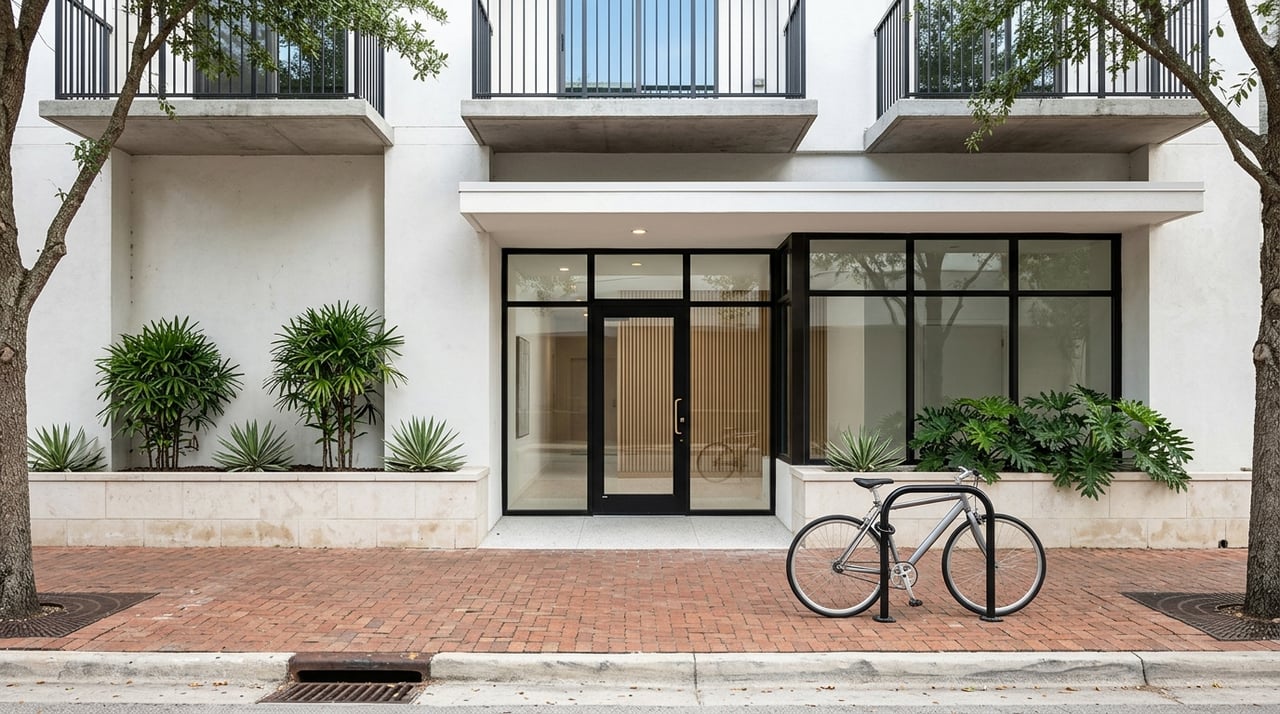
If you picture Florida life as constant driving, Downtown St. Pete may surprise you. In the city’s core, many everyday trips can happen on foot, by trolley, by bike, or by scooter instead of behind the wheel. If you are considering a condo, second home, or full-time move here, this guide will help you understand what car-light living actually looks like and where it works best. Let’s dive in.
Why Downtown St. Pete Feels Car-Light
Downtown St. Petersburg stands out as one of the strongest car-light areas in Pinellas County. The Downtown St. Pete guide describes the area as pedestrian-friendly, with waterfront parks, historic sidewalks, shops, galleries, and attractions clustered close together.
The city’s Complete Streets implementation plan, referenced in that downtown guide, describes downtown as having a Walk Score above 90, compared with a citywide average of 43. That gap helps explain why daily life feels different here than in many other parts of the region.
Still, it is important to keep the idea in perspective. Downtown is better described as car-light or car-optional, not fully car-free. The same guide notes that downtown also has more than 25,000 parking spaces, so many residents choose a mix of walking, transit, and driving depending on the day.
What Makes It Practical
A car-light lifestyle only works when your transportation options are simple and reliable. In Downtown St. Pete, the network is broad enough that you can often choose the mode that fits the trip.
SunRunner Connects Downtown and the Beach
The biggest transit anchor is the PSTA SunRunner. It connects Downtown St. Petersburg with Central Avenue business districts, Pasadena, and St. Pete Beach, and PSTA says it runs every day, every 15 minutes during the day, and every 30 minutes in the evening.
For many residents, that changes the math on beach access. Instead of planning around traffic and parking, you can often turn a beach day into a straightforward transit trip, with downtown-to-beach travel in about 35 minutes.
The Downtown Looper Handles Short Trips
For local circulation, the Downtown Looper fills an important role. PSTA describes it as a free service that runs every 15 to 20 minutes, seven days a week, with hours that support daytime errands and evening outings.
That matters if you want to leave your car parked while moving between museums, restaurants, healthcare destinations, and other downtown stops. For condo owners and residents who prefer a simpler routine, that kind of short-trip service can be a real quality-of-life upgrade.
The Central Avenue Trolley Extends Your Range
The Central Avenue Trolley gives you a one-seat ride from the Pier area to Pass-a-Grille. It also includes a free fare zone between the Pier area and the Shops at St. Pete.
This is one of the reasons downtown living can feel flexible without being restrictive. You are not limited to a small walkable bubble. You can still reach key destinations along the corridor without needing to drive.
Bikes and Scooters Fill the Gaps
Micromobility is part of the everyday transportation mix too. According to the downtown guide, Lime offers 300 e-bikes at more than 30 locations, while Veo has more than 850 e-scooters in over 100 parking corrals from the waterfront to the Deuces.
That gives you an easy middle ground between walking and transit. If a trip feels a little too far on foot but not worth moving your car, a bike or scooter can make downtown feel even more connected.
What a Normal Day Can Look Like
The appeal of car-light living is not just transportation. It is the way transportation supports a more local, low-friction routine. In Downtown St. Pete, many daily needs and leisure plans can happen within the same connected area.
A typical day might start with a walk to coffee, followed by a Looper ride or short bike trip for errands or lunch. Later, you might use the SunRunner or trolley for a waterfront outing or beach visit, then head to dinner or a performance without ever moving your car.
That pattern is not a formal city promise, but it is a realistic takeaway from the current mix of amenities and transportation options. When so many destinations are concentrated downtown, your day can feel more about choosing where to go than figuring out where to park.
The Pier Anchors the Lifestyle
If you want one place that captures Downtown St. Pete’s car-light appeal, it is the St. Pete Pier. The Pier covers 26 acres and is designed for strolling, biking, dining, shopping, swimming, and attending events.
Its features include a continuous pedestrian path, Spa Beach, Family Park, the Marketplace, public art, and multiple dining options. The Pier also offers extensive bike parking and access via the Looper and Central Avenue Trolley, which makes it easy to reach without making your car part of the plan.
At the same time, the Pier also has more than 500 on-site parking spaces. That reinforces the larger point about downtown living: you can often live lightly with your car, even if you do not want to give it up entirely.
Arts and Events Keep Life Local
Another reason car-light living works here is that so much of the lifestyle is already close by. Downtown and the nearby districts give you a wide range of options for arts, entertainment, dining, and recurring events without needing to travel far.
The Waterfront Arts District includes destinations such as the Dalí Museum, the Museum of Fine Arts, the St. Petersburg Museum of History, the James Museum of Western & Wildlife Art, the Mahaffey Theater, and the Palladium. Nearby, the Central Arts District includes the Chihuly Collection, Morean Arts Center, and Florida Craft Art Gallery.
Other downtown-adjacent districts such as the EDGE District, Grand Central District, and Warehouse Arts District add more walkable streets, galleries, eateries, boutiques, breweries, and recurring arts programming. Together, they create a lifestyle where staying local rarely feels limiting.
Recurring events add another layer. The downtown events calendar highlights regular happenings such as Saturday Morning Market and Second Saturday ArtWalk, and the market listing describes Saturday Morning Market as a weekly event with more than 100 vendors.
Who This Lifestyle Fits Best
Car-light living is not about ideology. It is about fit. Downtown St. Pete tends to work best if your daily life is already centered in or near the urban core and you value easy access to dining, arts, parks, and waterfront experiences.
For example, this lifestyle may appeal if you work remotely or hybrid, want a lower-maintenance condo setup, or simply prefer being able to walk or ride to more of your routine. It can also be a strong match if you are relocating and want a part of Tampa Bay where daily life feels more connected and less car-dependent.
The main caveat is simple. If you regularly travel well beyond central St. Petersburg or across Pinellas County, a car may still play an important role. The advantage downtown offers is choice: you can often keep your car as a backup instead of making it the center of every day.
What to Consider Before You Move
If you are thinking about buying in Downtown St. Pete with a car-light lifestyle in mind, focus on how you actually live. The right building or block for you depends less on a label and more on your daily pattern.
A few questions can help:
- How often do you commute outside downtown?
- Do you want to walk to dining, parks, and cultural destinations?
- Would you realistically use the Looper, SunRunner, trolley, bikes, or scooters?
- Do you still want dedicated parking, even if you plan to drive less?
- Are beach access and waterfront outings part of your weekly routine?
Those answers can shape everything from location to building type to parking needs. For many buyers, especially those considering high-rise condos or low-maintenance urban living, Downtown St. Pete offers a rare mix of walkability, transit access, and waterfront lifestyle.
If you are weighing Downtown St. Pete against other Tampa Bay neighborhoods, working with a local advisor can help you compare not just homes, but daily lifestyle fit. If you want thoughtful guidance on Tampa Bay neighborhoods, condo living, and waterfront lifestyle decisions, connect with Harvey Petty for a tailored conversation.
FAQs
What does car-light living mean in Downtown St. Pete?
- It means many daily trips can often be handled on foot, by trolley, by transit, by bike, or by scooter, while still keeping a car available when needed.
How walkable is Downtown St. Pete for daily errands and outings?
- The downtown guide references a Walk Score above 90 for downtown, with parks, shops, galleries, and attractions clustered in the core.
How do you get from Downtown St. Pete to St. Pete Beach without driving?
- You can use the SunRunner, which PSTA says connects downtown to St. Pete Beach every day with daytime service every 15 minutes and about 35 minutes of travel time.
Is there a free transit option within Downtown St. Pete?
- Yes. PSTA describes the Downtown Looper as a free circulator that runs every 15 to 20 minutes, seven days a week.
Can you still own a car while living car-light in Downtown St. Pete?
- Yes. Downtown is better described as car-optional than car-free, and the downtown guide notes more than 25,000 parking spaces in the area.