Imagine leaving your dock for a sunset cruise, then biking to dinner minutes from downtown Tampa. If Davis Islands is on your short list, you are not alone. The island lifestyle is special, but buying here also comes with specific ownership realities you should understand early. This guide breaks down what to expect, from flood zones and insurance to seawalls, HOAs, and daily life, so you can buy with confidence. Let’s dive in.
Davis Islands at a glance
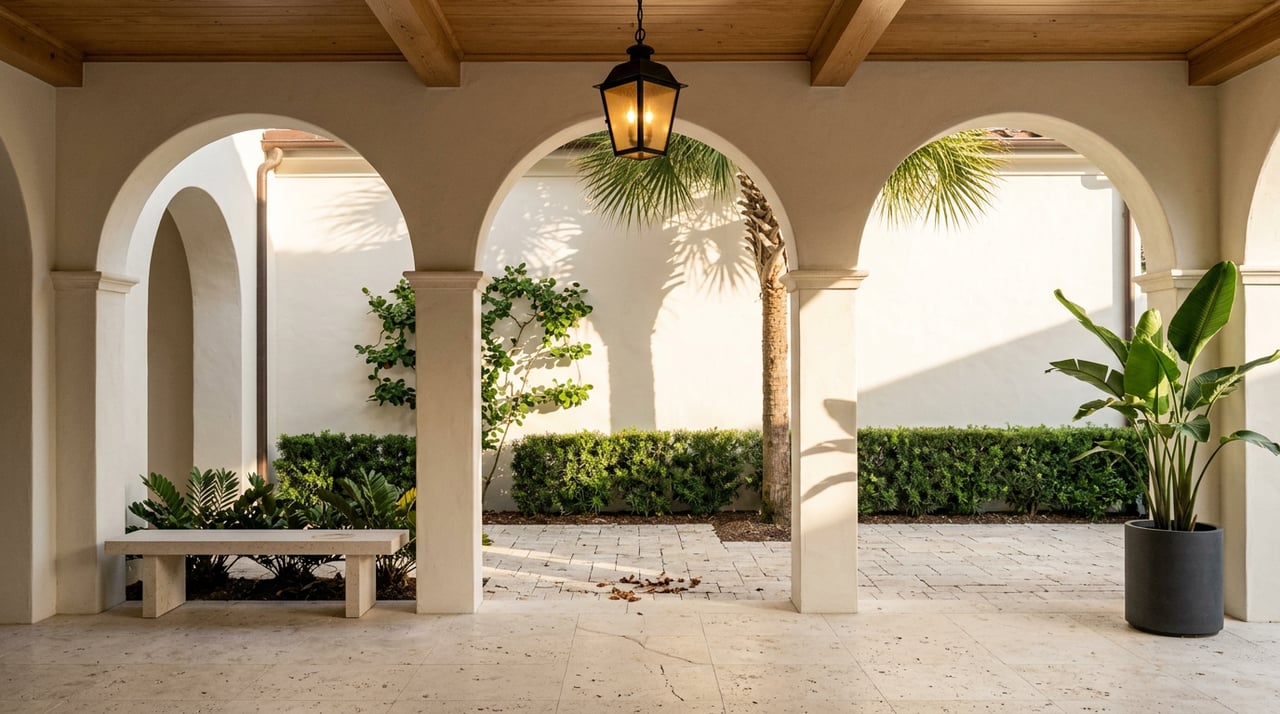
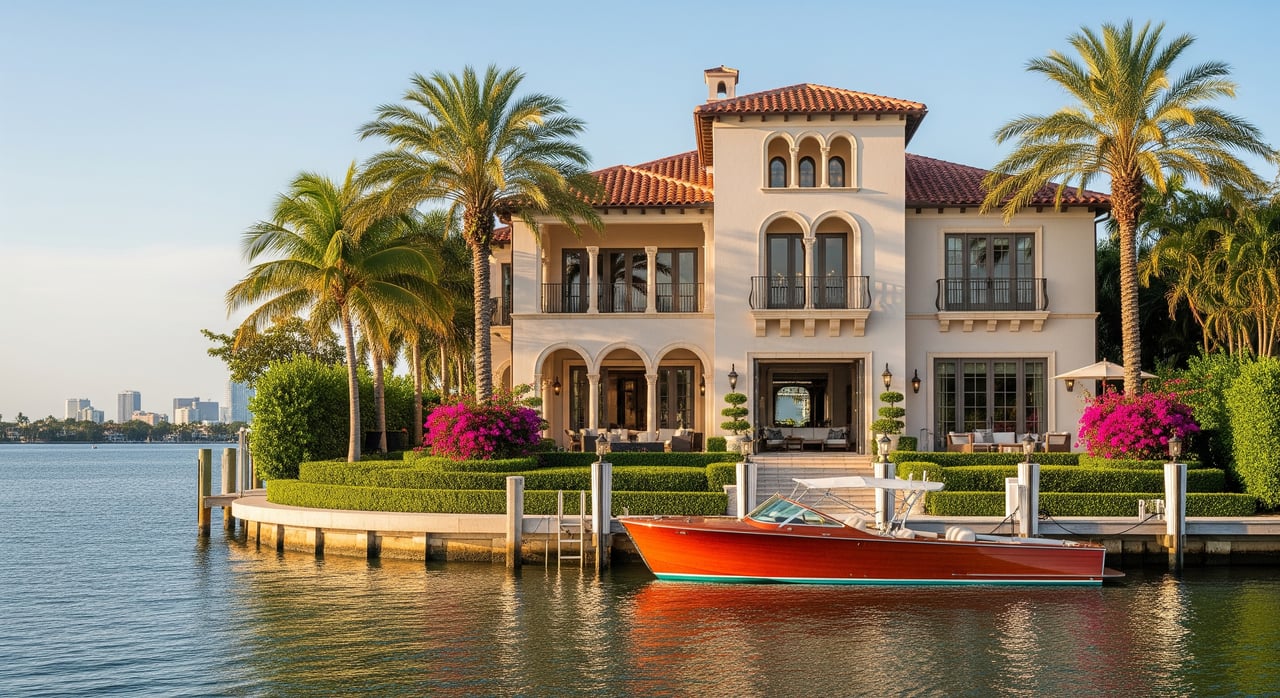
Davis Islands is a pair of man-made islands connected to the Tampa mainland by causeways. It offers a small-island feel with walkable streets, marinas, parks, and a compact dining and services strip. You will find waterfront estates with docks, historic bungalows, Mediterranean-revival homes, renovated luxury builds, and a handful of condo buildings.
The appeal is simple: waterfront living close to downtown. Inventory is typically tight, and waterfront parcels are scarce, which helps keep the neighborhood premium within the Tampa market. If you want boating access and proximity to the city, this area delivers.
What you can buy
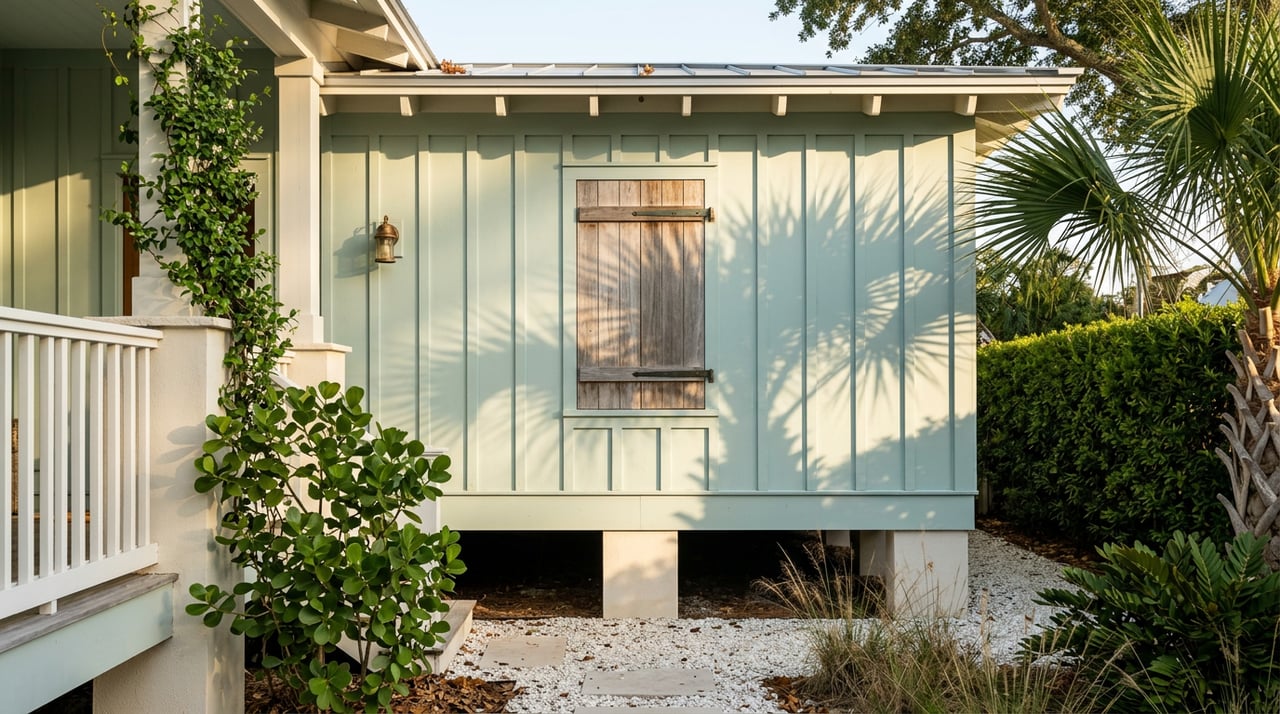
Options range from historic homes with character to modern waterfront builds with seawalls and lifts. Lot sizes and water orientation vary, and deeper, direct-bay lots tend to command higher prices. Condominiums offer a lower-maintenance entry point compared with single-family waterfront.
Inventory on the islands is usually limited compared with larger neighborhoods, and waterfront pricing carries notable premiums. For current pricing, days on market, and comparable sales, request a tailored market snapshot before you tour.
Ownership realities to plan for
Flood zones, elevation, and flood insurance
Much of Davis Islands sits within FEMA flood zones where storm surge is a primary risk. Before you offer, pull the property’s zone from the FEMA Flood Map Service Center, and ask for an elevation certificate to compare the finished-floor elevation to the Base Flood Elevation. If a lender requires flood insurance, get quotes early from both the National Flood Insurance Program and private carriers. You can start with the NFIP overview for basics on coverage and factors that influence premiums.
Windstorm and homeowner insurance
Florida’s insurance market can be volatile. Policies often include windstorm deductibles, and features like impact windows or shutters can help with underwriting and costs. Ask an insurance broker to quote multiple carriers and clarify whether the property might be placed with Citizens Property Insurance if private options are limited. The Florida Office of Insurance Regulation publishes guidance that helps you understand market context and consumer protections.
Seawalls, docks, and shoreline care
If you are buying on the water, budget for seawall and dock maintenance. Verify the seawall’s age, recent inspections, permits, and any repairs on record. A marine or seawall engineer should inspect these structures and outline near- and long-term costs. Permitting for repairs or replacements will involve local and state rules, so confirm requirements with Hillsborough County and the City of Tampa before planning improvements.
HOAs, condos, and rules
Some condo buildings and clusters have associations that set rules and levy assessments. Review covenants, recent meeting minutes, financials, and reserve studies. Ask directly about short-term rental restrictions, exterior guidelines, dock usage policies, and any pending special assessments.
Taxes, exemptions, and homestead
Property taxes are administered by the Hillsborough County Property Appraiser. Use the Property Appraiser’s site to review parcel data, assessed values, and exemptions. If you will occupy the home as your primary residence, the Florida homestead exemption can reduce your tax burden and cap assessed value increases. Confirm eligibility and filing deadlines before closing.
Permits, renovations, and code
Renovations and new construction must follow the Florida Building Code and local floodplain standards. Elevation, foundation type, and wind-resistance features are critical for safety and insurability. Review prior permits, verify that work was properly closed out, and plan any future updates in line with code. For reference, see the Florida Building Commission and the City’s permitting resources for process details.
Lifestyle and amenities
Waterfront and outdoors
Boating is central here. Many homes have docks, and local marinas provide storage and service. The islands’ parks, sidewalks, and bike-friendly streets support a relaxed, pedestrian-oriented lifestyle.
Dining and services
You will find cafes, restaurants, and local services on the islands, with larger retail and grocery options a short drive away. Proximity to downtown and Channelside adds quick access to dining, culture, and events.
Schools and services
Davis Islands is served by Hillsborough County Public Schools. Always verify current school assignments and any magnet options directly with the district. City of Tampa and Hillsborough County handle trash, utilities, and stormwater; confirm provider details for each property during due diligence.
Transportation and access
The commute to downtown Tampa is short, with driving, biking, and even walking as options depending on your destination. Access to major roads and Tampa International Airport is generally convenient, though travel times vary with traffic. Test your route at typical commute hours before you buy.
Smart buyer due diligence checklist
- Pull current MLS activity, including prior sale history and days on market.
- Confirm FEMA flood zone and obtain the elevation certificate and any flood claim history.
- Get flood, wind, and homeowner insurance quotes before submitting an offer.
- Order a full home inspection, including roof, structure, HVAC, plumbing, and electrical.
- Hire a marine or seawall engineer to inspect the seawall, dock, and boat lift.
- Add moisture and termite/wood-destroying organism inspections for coastal conditions.
- Verify permits for all additions and renovations; resolve any open or unpermitted work.
- Run a title search for easements, riparian rights, encroachments, and restrictions.
- Review HOA or condo documents, financials, minutes, reserve studies, and assessments.
- Ask about neighborhood-level projects, seawall initiatives, dredging, or stormwater upgrades.
Planning for the long term
Coastal communities face sea-level rise and increased nuisance flooding over time. Davis Islands’ low elevation makes it important to consider long-term resilience when you evaluate a property. Explore regional context using the NOAA Sea Level Rise viewer and ask about local infrastructure planning.
Insurance availability and pricing can shift year to year, which affects affordability and resale dynamics. Get multiple quotes, understand windstorm deductibles, and confirm the impact of elevation and mitigation features on premiums. Finally, budget for waterfront infrastructure. Seawalls and docks have life cycles, and responsible upkeep protects your shoreline and your investment.
Work with a local expert
Buying on Davis Islands is about fit, foresight, and follow-through. When you combine the lifestyle you want with a clear understanding of flood, insurance, and shoreline responsibilities, you make a smarter purchase. If you would like tailored comps, off-market insights, and a vetted roster of inspectors, engineers, and insurance pros, connect with Harvey Petty to get started.
FAQs
How do Davis Islands flood zones affect buying?
- Many properties are in FEMA AE or VE zones, so you should verify the flood zone, get an elevation certificate, and budget for flood insurance if your lender requires it.
Will I need flood insurance on Davis Islands?
- If your home is in a high-risk zone and you have a mortgage, lenders typically require it; get quotes early through NFIP and private carriers to understand costs.
Who maintains seawalls and docks for waterfront homes?
- In most cases, the homeowner is responsible; verify easements, permits, and past repairs, and have a marine engineer inspect the structures during due diligence.
Are there rules on short-term rentals or exterior changes?
- Association rules vary by building or community; review HOA or condo documents, meeting minutes, and policies to confirm any restrictions.
Are there special rules for renovating older homes?
- Renovations must meet the Florida Building Code and local floodplain standards; confirm permits on past work and plan any updates with code and insurance in mind.
How does sea-level rise affect long-term value?
- Coastal properties may face increased nuisance flooding and evolving insurance costs; evaluate elevation, mitigation features, and local resilience planning before you buy.
What inspections are most critical for waterfront purchases?
- In addition to a full home inspection, add a seawall and dock inspection, moisture assessment, and termite inspection to identify hidden coastal issues.
How convenient is the commute from Davis Islands?
- The islands are close to downtown and major roads; drive your route during peak times and to Tampa International Airport to confirm typical travel times for your address.