Wondering whether Pass-a-Grille works better as a seasonal escape or a full-time home? That question comes up often because this beach district offers something many Gulf-front areas do not: a quieter, historic setting with a true neighborhood feel. If you are trying to decide how you would actually live here day to day, this guide will walk you through the rhythms, conveniences, and tradeoffs that shape ownership in Pass-a-Grille. Let’s dive in.
Why Pass-a-Grille Feels Different
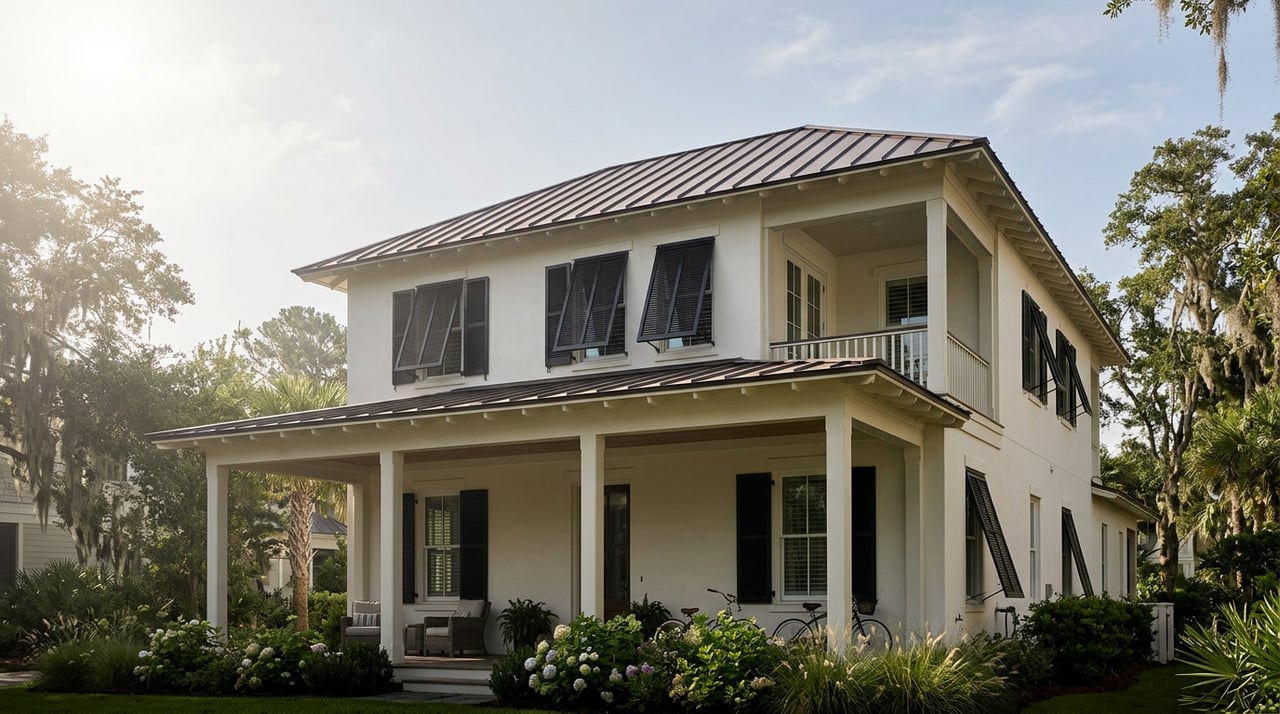
Pass-a-Grille sits on the south end of St. Pete Beach and stands apart from more resort-driven beach markets. The area is known for its historic character, low-rise streetscape, and walkable layout, with cottages, small inns, restaurants, and local shops instead of a skyline filled with tall towers. That gives the neighborhood a more preserved beach-town atmosphere.
The setting also helps define the experience. Pass-a-Grille offers about four miles of sand, scenic dune walkways, and very little building directly on the sand. If you are looking for a coastal area that feels open and less densely built along the beachfront, that is a big part of the appeal.
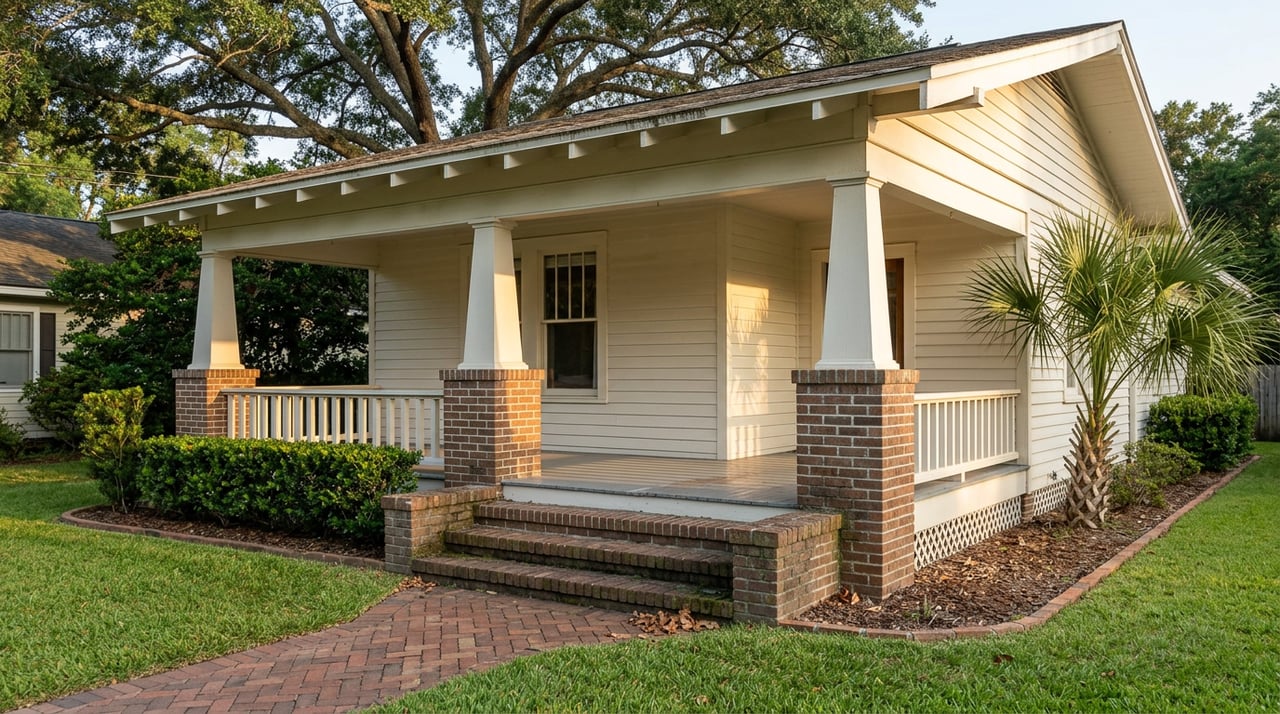
Historic context matters here too. The Pass-a-Grille Historic District is listed in the National Register of Historic Places, and historic 8th Avenue includes some of the oldest dwellings on the Pinellas beaches. For buyers who care about place and character, this is not just another waterfront address.
Seasonal Living in Pass-a-Grille
For many owners, Pass-a-Grille shines as a second-home market. The quiet atmosphere, walkability, and strong sense of identity make it well suited for people who want a beach retreat that feels more personal than commercial. You are not just buying access to the water. You are buying into a distinct coastal setting.
Seasonal living can be especially appealing if your goal is to enjoy the area during select months while avoiding the responsibilities of living here year-round. You may value mornings on the beach, easy walks to local dining and shops, and a slower pace that feels removed from denser tourist zones.
That said, seasonality is real here. Weekdays in quieter months are generally easier for metered parking, while weekends can be more challenging. The city also adds a seasonal parking surcharge from February 1 through April 30, which reflects the increased demand during peak months.
If you plan to use the property part of the year, it helps to think about how your arrival dates line up with those busier periods. A home that feels peaceful on a weekday in the off-season may feel quite different on a busy spring weekend. That does not make seasonal ownership less attractive, but it does mean your lifestyle expectations should match the local rhythm.
Full-Time Living in Pass-a-Grille
Living in Pass-a-Grille full time offers a deeper version of the neighborhood experience. Instead of visiting for a season, you become part of the day-to-day pattern of the area, from morning beach walks to local events and practical routines. For many buyers, that is where the neighborhood’s charm becomes more meaningful.
Full-time residents also benefit from a broader support network than some people expect in a small beach district. The city’s Freebee shuttle now serves all of St. Pete Beach, from Pass-a-Grille to the Blind Pass Bridge. The Suncoast Beach Trolley also connects St. Pete Beach with the wider Pinellas beach corridor, which can make local travel more manageable without relying on a car for every trip.
You also have access to community resources nearby. The St. Pete Beach Public Library, located at 365 73rd Avenue, is part of the Pinellas Public Library Cooperative and offers public events, e-books, downloadable audio, and countywide borrowing access. That may seem like a small detail, but it adds to the practicality of year-round living.
Pass-a-Grille itself remains compact and walkable, but many full-service conveniences are found within the wider St. Pete Beach area rather than inside Pass-a-Grille alone. That means full-time living here can feel pleasantly small-scale without being cut off from everyday needs. If you want a beach setting with community infrastructure around it, that balance is worth noting.
How the Seasons Shape Daily Life
The biggest difference between second-home use and full-time ownership often comes down to how you experience the calendar. Pass-a-Grille is widely described as one of the area’s quieter beach communities, but quieter does not mean static. The feel of the neighborhood changes with visitor patterns, parking demand, and beach use rules.
Beach life has its own seasonal rhythm too. Sea turtle nesting season runs from May 1 through October 31, which shapes how the beachfront is managed during those months. If you plan to spend long stretches of time here, it helps to understand that coastal living includes stewardship as well as scenery.
There are also year-round amenities that keep the area active without making it feel crowded all the time. St. Pete Beach hosts concerts, art shows, and family events throughout the year. So even if Pass-a-Grille feels calm, it is not isolated.
For dog owners, the city identifies a bay-side dog-friendly beach area at the end of Pass-a-Grille Way between 1st and 3rd Avenues. Small details like this can have a real impact on whether the neighborhood fits your daily habits as a full-time resident or a seasonal owner.
Parking and Ownership Logistics Matter
In Pass-a-Grille, parking is not a minor detail. It is one of the most important practical differences between occasional use and full-time residence. Buyers who understand that early tend to make better decisions.
The city currently lists 541 public parking spaces on Gulf Way and 186 on Pass-a-Grille Way, with hourly beach parking rates that vary by day of week. Public access is part of what keeps the area vibrant, but it also means parking conditions can shift noticeably depending on season and timing.
For residents, the permit framework is especially important. Pass-a-Grille falls under the city’s 4R permit category, and the city uses digital permits with license-plate recognition. Annual residential permits are available only to residents who own property or hold a lease of at least six months within the same calendar year.
The city also notes that hangtags are limited to year-round residents and are not available for short-term or monthly rentals. Annual residential permits are free in 2026. If you are comparing second-home use with primary residence status, these rules are worth reviewing closely because they can affect convenience in a very real way.
Coastal Ownership Comes With Real-World Considerations
Pass-a-Grille is beautiful, but ownership here is not just about views and walkability. Coastal property ownership includes ongoing public works, beach management, and local service realities that shape the experience over time. A smart decision looks at both the charm and the logistics.
Pinellas County completed a Pass-a-Grille beach nourishment project in 2024 through 2026, and the county also has water-main projects in and around Pass-a-Grille and the channel to Tierra Verde. These projects are part of living in a coastal environment where shoreline conditions and infrastructure need regular attention.
Emergency services are part of that picture too. The city says Fire Station 22 serves Pass-a-Grille and nearby southern neighborhoods. For full-time residents, this is part of the everyday support system. For second-home owners, it is part of the broader ownership framework that should not be overlooked.
Second Home or Full-Time in Pass-a-Grille?
So which option makes more sense? If you are drawn to a quiet, historic, walkable beach district and want a place that feels like a retreat, a second home in Pass-a-Grille can be a strong fit. The setting is distinctive, the beach is central to daily life, and the neighborhood offers a more intimate feel than many Gulf-front alternatives.
If you want to immerse yourself in the area and make the most of resident conveniences, transit options, nearby services, and community life throughout the year, full-time living may offer more value. You are more likely to benefit directly from the library, shuttle service, local events, and resident parking structure when Pass-a-Grille is your everyday home base.
In the end, Pass-a-Grille works for both lifestyles, but not in exactly the same way. This is a place where walkability, seasonality, historic character, and parking rules all shape ownership. The best choice comes down to how you want to live here when the beach day ends and regular life begins.
If you are weighing a move, a second home purchase, or a lifestyle change along the Pinellas coast, working with a local advisor can help you sort through the details that do not show up in a listing search. For tailored guidance on Pass-a-Grille and other Tampa Bay waterfront opportunities, connect with Harvey Petty.
FAQs
Is Pass-a-Grille a good place for a second home?
- Yes. Pass-a-Grille can work well as a second-home location if you want a quieter, walkable beach district with historic character and a less resort-dense setting.
Is Pass-a-Grille practical for full-time living?
- Yes. Full-time residents benefit from citywide Freebee shuttle service, access to the Suncoast Beach Trolley, nearby library services, and a broader network of conveniences across St. Pete Beach.
What is parking like in Pass-a-Grille for owners?
- Parking is a major ownership factor. The city has public paid parking, seasonal surcharges from February 1 through April 30, and a resident permit system with eligibility rules tied to ownership or a lease of at least six months.
What makes Pass-a-Grille different from other beach areas in Pinellas?
- Pass-a-Grille stands out for its historic district, low-rise character, walkable layout, open beachfront feel, and smaller-scale mix of cottages, inns, restaurants, and shops.
What seasonal rules affect beach life in Pass-a-Grille?
- Sea turtle nesting season runs from May 1 through October 31, and the city also identifies a bay-side dog-friendly beach area at the end of Pass-a-Grille Way between 1st and 3rd Avenues.
Are there year-round activities near Pass-a-Grille for residents and visitors?
- Yes. The city says St. Pete Beach hosts concerts, art shows, and family events throughout the year, which helps keep the area active without changing its generally calm character.