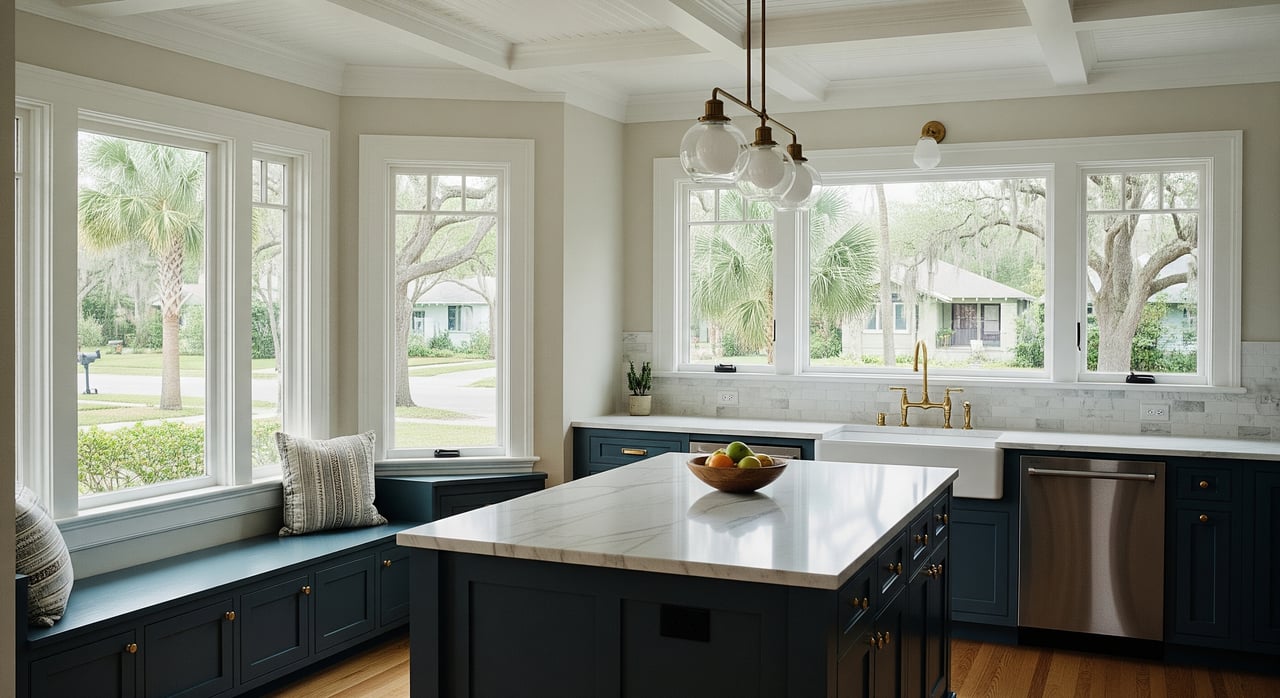
Staring at a peeling porch and a dated kitchen, you may be asking a simple question with big stakes: should you renovate before listing your Seminole Heights home or sell it as-is? You want clarity, not guesswork, and a plan that respects your time, budget, and stress level. In this guide, you’ll learn a step-by-step way to compare both paths using local realities, buyer expectations, and practical cost inputs. Let’s dive in.
How to decide in Seminole Heights
Your best path hinges on goals and constraints. Start with your timeline, the cash you can commit, your tolerance for risk, and how much energy you have for managing work. Then weigh financial outcomes, potential delays, and the buyer pool you want to target.
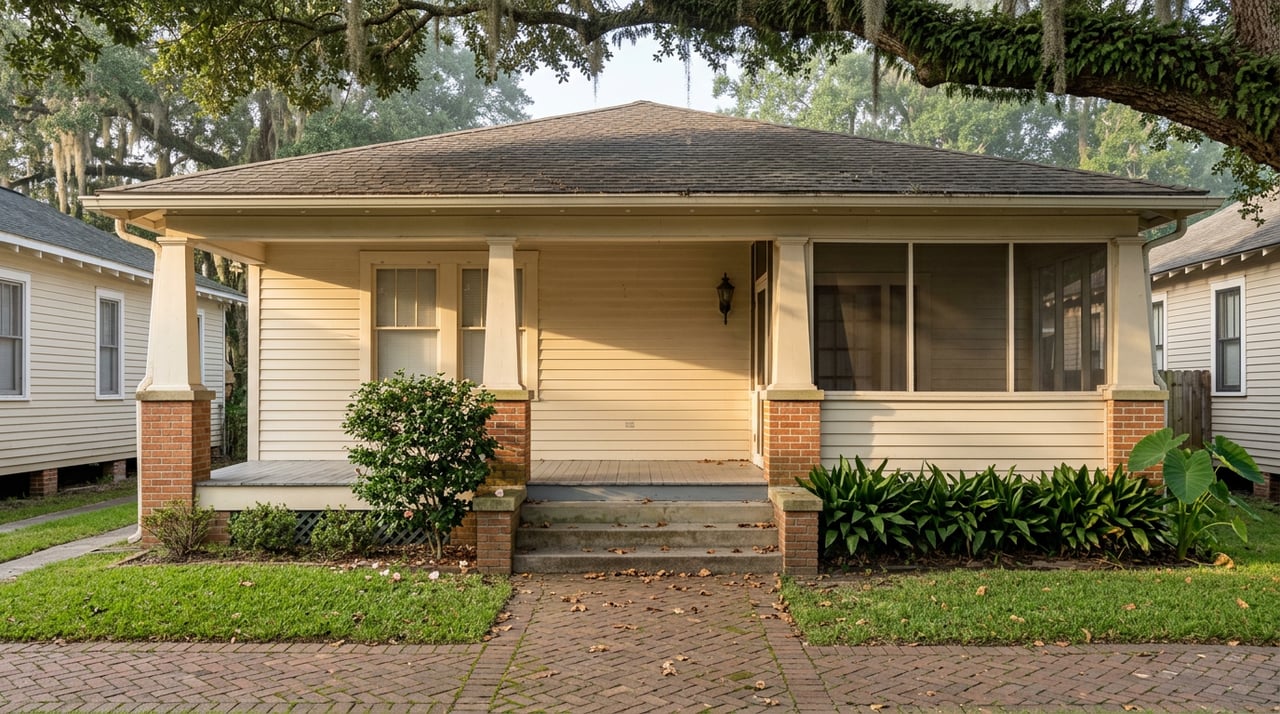
Seminole Heights is known for early-20th-century bungalows and Craftsman-style homes across North and South/Old Seminole Heights. Owner-occupant buyers often pay premiums for homes that keep historic character while upgrading kitchens, baths, and systems. Investors look for pricing flexibility and upside potential, and they are more comfortable buying as-is.
Compare renovate vs sell as-is
Collect local valuation inputs
- Pull recent comparable sales in your specific pocket of Seminole Heights for both renovated and as-is homes. Focus on the last 3 months when possible.
- Review active and pending listings for context, including days on market and price trends.
- Ask a local agent for an opinion of value for your home in its current condition and after targeted upgrades.
Build a complete cost picture
- Get 2 to 3 detailed contractor bids that include labor, materials, overhead, and profit. Add a 10 to 20 percent contingency.
- Include soft costs like permits, design or architect fees for structural work, and materials allowances.
- Add holding costs during renovation: mortgage interest, taxes, insurance, utilities, lawn care, and any security costs.
- Plan for selling costs: real estate commission, closing costs, possible seller credits, staging, and photography.
- Consider tax implications such as primary residence exclusions or 1031 exchange rules where applicable. Consult a CPA or real estate attorney.
Estimate value uplift
- Use renovated comps plus agent guidance to estimate your likely after-repair price.
- Use investor comps and current-condition data to estimate your as-is price.
- Subtract all costs from each scenario to compare expected net proceeds.
Decision rule to use
- Renovate if: (Estimated after-repair sale price minus total renovation and selling costs) is greater than (Estimated as-is sale price minus as-is selling costs), and you accept the timeline and risk.
- Run sensitivity checks. Model best case, likely case, and worst case where your sale price comes in 5 to 10 percent lower, and confirm you are still comfortable.
Renovation priorities for bungalows
Seminole Heights buyers love homes that feel authentic and well cared for. Focus on projects that protect value and highlight character.
- Health, safety, and systems: roof, HVAC, electrical, plumbing, and any code issues. These are financing gatekeepers for many buyers.
- Water intrusion and structure: fix foundation, termite, and moisture problems that can discourage offers.
- Curb appeal and exterior: paint, porch repair, landscaping, and the front door. These create strong first impressions.
- Kitchens: modern function with period-appropriate touches like cabinetry style or hardware. Quality counters and appliances matter.
- Bathrooms: refreshed tile, fixtures, lighting, and ventilation.
- Floors and trim: refinish original wood floors and preserve Craftsman details when possible.
- Cosmetics and staging: neutral paint, lighting updates, window treatments, and hardware can finish the look.
Industry reports show that recapture rates vary by project and market. In Seminole Heights, tasteful updates that respect bungalow character often perform better than over-modernizing.
Permits, historic review, and timeline
Plan for permits on major work such as structural changes, additions, electrical upgrades, HVAC replacement, and many roofing projects. Permit timelines vary and should be factored into your schedule.
If your property sits in a historic preservation overlay or district, exterior changes like porches, siding, windows, or roofing may require design review. Check requirements before you commit to plans or materials.
Verify that contractors hold proper Florida licenses and insurance. Use written contracts, align on milestones, and collect lien waivers at each payment. For homes built before 1978, prepare the required lead-based paint disclosure when you sell.
Flood exposure varies across Tampa. Check your property’s flood status and understand how required flood insurance can affect buyer qualification and ownership costs. If you install upgrades like a new roof or impact-rated windows, document wind mitigation features that may help buyers with insurance underwriting.
Buyer pools and marketing
Selling as-is typically draws investors and cash buyers who like quick closings and clear upside. You can also attract buyers using renovation loans, though these add approval complexity.
Selling after renovation appeals to owner-occupants who want move-in-ready homes. With the right price and presentation, you can increase tours and reduce days on market. Professional staging and photography are worth considering.
For pricing, anchor to relevant comps. Renovated listings should reflect quality and scope. As-is pricing should acknowledge the scope of work and typical investor discounts relative to after-repair value.
When selling as-is makes sense
- You need a quick, certain timeline and want to avoid renovation risk.
- The home has significant structural, moisture, or systems issues that are costly to address.
- You cannot or prefer not to fund renovation and holding costs.
- Historic or permitting constraints could create delays, or flood exposure may limit buyer financing.
When renovating makes sense
- The home has strong bones and desirable architectural character to highlight.
- Needed work is focused on systems and cosmetics rather than major structural repairs.
- Renovated comps in your area show a meaningful premium over as-is pricing.
- You have funds, time, and appetite to manage bids, permits, and the sale.
Step-by-step homeowner checklist
- Get an as-is market analysis and an estimate of renovated value from a local agent.
- Collect 2 to 3 itemized contractor bids for the work you plan to complete.
- Confirm permit needs and, if applicable, historic district review requirements.
- Build a full budget with 10 to 20 percent contingency, plus holding and selling costs.
- Estimate after-repair value using recent renovated comps; estimate as-is value using investor comps.
- Calculate net proceeds for both paths and stress-test best, likely, and worst cases.
- Check timeline and cash flow to confirm you can carry the property during work.
- Prepare disclosures and, if selling as-is, consider getting pest or foundation reports to support pricing.
- If selling as-is, plan targeted marketing to investor and cash-buyer audiences; consider repair credits instead of doing the work.
- Consult a CPA or attorney on taxes and a local agent who knows Seminole Heights pricing nuances.
Final take
The right choice for your Seminole Heights home comes from a clear, local net-proceeds comparison plus your timeline and stress tolerance. Fix what matters most to safety, systems, and curb appeal, and respect your home’s character if you decide to renovate. If speed and certainty matter more, selling as-is to the right buyer pool is a valid and often smart route.
Want a tailored, numbers-first plan for your property? Connect with Harvey Petty for a confidential consultation and Get Your Home Valuation.
FAQs
How do I estimate net proceeds in Seminole Heights?
- Gather renovated and as-is comps, get contractor bids with contingency, include holding and selling costs, then compare net proceeds for both paths with best, likely, and worst cases.
Which renovations pay back best locally?
- Prioritize systems and safety, fix water or structural issues, boost curb appeal, then update kitchens and baths in a style that preserves bungalow character.
Do I need permits for my Tampa project?
- Yes for most structural, electrical, HVAC, and roofing work; confirm requirements early and factor review times into your schedule.
Will historic overlays affect my remodel?
- If you are in a covered area, exterior changes may require design review, so verify rules before committing to materials or layouts.
How does flood risk impact my sale?
- Flood zone status can affect insurance costs and financing, so disclose it and document any mitigation or recent upgrades that may help buyers.
Can buyers finance fixer-uppers here?
- Yes, some use renovation loans like FHA 203(k) or HomeStyle, but these come with added appraisal and underwriting steps.
How do I reach investors if selling as-is?
- Use targeted marketing to investor networks and cash buyers, and price with clear reference to after-repair value and the scope of work needed.