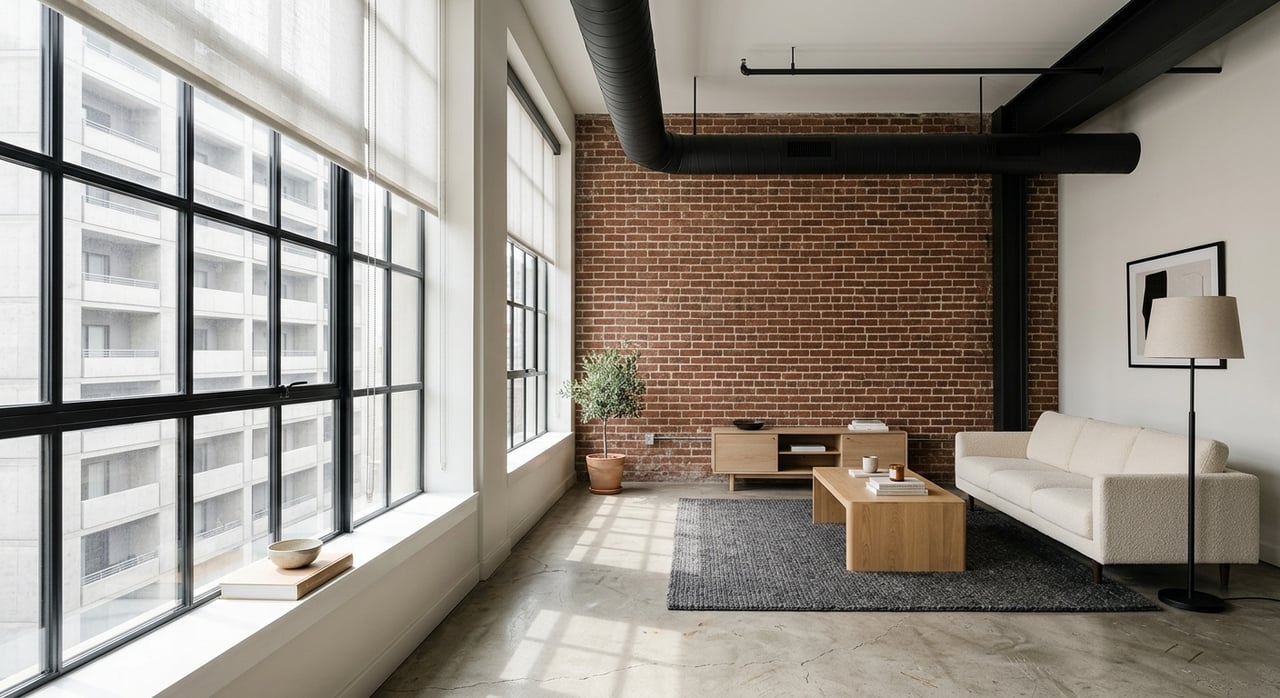
Wondering whether a loft or a high-rise fits your life in Channelside? It is a smart question, because in this part of downtown Tampa, your choice is about more than square footage. You are weighing character against separation, flexibility against convenience, and building details against day-to-day lifestyle. If you are trying to narrow the field, this guide will help you compare the two with Channelside in mind. Let’s dive in.
Why Channelside Feels Different
Channelside, also known as the Channel District, has roots as a maritime, industrial, and commercial area tied to the port. Today, it is part of downtown Tampa’s shift into a more residential, urban, and entertainment-focused district.
That history still shapes the housing options you will see. Loft-style homes often feel connected to the area’s industrial past, while high-rise condos reflect the newer, more vertical phase of development. In a neighborhood like this, the type of home you choose can strongly affect how the area feels to you every day.
Channelside also supports an urban lifestyle, but it is important to set the right expectations. Downtown Tampa Partnership notes that the area is still adding everyday retail like groceries, drugstores, boutiques, cafes, restaurants, and cultural uses, so walkability is real, but suburban-style convenience is not always built in yet.
What a Loft Usually Offers
A loft is generally defined by openness and industrial character. Common features include high ceilings, large windows, concrete or hardwood floors, exposed brick, visible beams, and ductwork.
For many buyers, the appeal is simple. A loft can feel unique, flexible, and visually interesting in a way that a more standard condo layout may not. In Channelside, that style can feel especially fitting because it reflects the district’s older industrial identity.
The tradeoff is that open space does not always equal easy living. With fewer enclosed rooms, you may have less privacy, more sound travel, and fewer obvious places for a home office, overnight guests, or daily storage.
Loft Questions to Ask on Tour
When you tour a loft, focus on how the space will function for your actual routine.
- Can you create enough bedroom privacy?
- Is there a true work-from-home area?
- Will your furniture fit comfortably around columns, beams, or ductwork?
- Does the open layout feel freeing, or does it feel hard to organize?
A loft can photograph beautifully and still feel challenging once you picture your day-to-day life inside it. That is why function matters just as much as style.
What a High-Rise Usually Offers
A high-rise is a taller building designed around elevators and more complex building systems. In practical terms, that usually means a more conventional condo layout, stacked units, and less of the raw industrial volume that defines a loft.
For many buyers, the biggest advantage is separation. Bedrooms, living areas, and storage often feel more defined, which can make daily life easier if you work from home, live with a partner, or simply want clearer boundaries between spaces.
That said, a high-rise is not automatically the better fit. Some tower units can still feel tight if the floor plan lacks flex space, closet storage, or good flow between rooms.
High-Rise Questions to Ask on Tour
When you compare high-rise condos, look past the lobby and views. Focus on how the unit works for everyday living.
- Do the bedrooms feel separated enough from the main living area?
- Is there useful storage?
- Could you comfortably work from home?
- Does the floor plan feel efficient, or does it waste space?
A polished building can still leave you frustrated if the unit itself does not match your routine.
Compare Layout Before Anything Else
In Channelside, the loft versus high-rise decision often starts with layout. If you love open, dramatic space and do not need much separation, a loft may feel exciting and natural.
If you want more privacy, better room definition, or easier day-to-day structure, a high-rise may be the stronger choice. This is especially true if your home needs to do several jobs at once, like serving as both a living space and a work space.
A good rule is to think about your hardest weekday, not your best Saturday. The right home should support your routine when life feels busy, not just look great when everything is tidy.
Sound Matters More Than Buyers Expect
Sound is one of the most overlooked parts of condo shopping. In both lofts and high-rises, noise can shape your comfort more than finishes or staging.
In lofts, open plans and harder surfaces can make sound bounce and travel more easily. Street noise, neighboring activity, and echo can all feel more noticeable, especially in large open rooms.
In high-rises, the concern is often different. You may want to listen for corridor noise, elevator noise, and sound coming from nearby stacks or mechanical areas.
How to Check Noise in Channelside
A mid-day showing will not always tell you enough. If noise sensitivity matters to you, revisit the building at a busier time.
Try to notice:
- Street activity in the evening
- Hallway traffic
- Elevator sounds near the unit
- Echo inside the unit itself
- Any mechanical hum from shared building systems
Neither lofts nor high-rises are automatically quieter. The real answer depends on the building, the unit location, and the materials used.
Amenities Are Building-Specific
Many buyers assume high-rises always offer more amenities and loft buildings offer fewer. That is not always true.
The better comparison is what the HOA fee includes and what costs extra. You also want to weigh how much daily convenience comes from the building itself versus the surrounding neighborhood.
That distinction matters in Channelside because the district is walkable and connected, but still evolving in terms of everyday retail and services. A building with stronger on-site convenience may matter more to one buyer than another.
What to Compare in HOA Value
As you tour, ask for a practical breakdown of value.
- What amenities are included in the HOA fee?
- What services cost extra?
- How much do you expect to use what is offered?
- Does the building fill gaps that the neighborhood does not yet fill?
The goal is not to choose the longest amenity list. It is to choose the package that makes your life easier.
Parking Should Be a Separate Decision
In Channelside, parking deserves its own checklist. City resources confirm that the Channel District has on-street parking, with paid hours running from 8 a.m. to midnight, seven days a week. Nearby garages and lots also serve the area.
That does not mean your building parking situation is simple. Street parking and public garages are not the same as having reliable, exclusive access tied to your home.
Parking Questions to Ask
Before you move forward on any unit, confirm the details.
- Is the parking space deeded, assigned, or leased?
- Is it tandem or side-by-side?
- How does guest parking work?
- Is EV charging available?
- If building parking is limited, will you rely on city garages or street parking?
For some buyers, parking is a minor issue. For others, it can be the factor that makes one property workable and another one frustrating.
Transit and Car-Light Living
Channelside can support a more car-light lifestyle for some residents. The TECO Line Streetcar connects downtown Tampa, Channelside, and Ybor City, and the downtown waterfront area is also connected by walkable routes, water taxi, and ferry access in nearby areas.
That said, car-light is not the same as car-free for everyone. Your work, travel habits, and daily errands should guide how much weight you give to transit access versus dedicated parking.
If you want to reduce driving, a well-located unit in Channelside can make that easier. If you still depend on a vehicle most days, parking and building access may matter more than proximity to entertainment and transit.
Florida Condo Documents Are Part of the Decision
If you are buying a condo in Florida, document review is not optional. It is part of understanding what you are purchasing, whether the home is marketed as a loft or a high-rise.
Florida law requires residential condominium associations in buildings that are three habitable stories or higher to complete a structural integrity reserve study every 10 years. Existing associations controlled by unit owners had to complete that study by December 31, 2025.
Milestone inspections are also required when a building reaches 30 years of age, with some local enforcement situations allowing earlier timing in salt-water-proximate areas. These rules are tied to building height and age, not to whether a property is called a loft or a tower.
Documents to Request Early
DBPR states that structural inspection reports and reserve studies are part of the condo association’s official records and must be made available to potential purchasers. Florida law also requires official records to be kept in the state for at least seven years and made available within 10 working days after a proper written request.
At a minimum, ask for:
- Declaration
- Bylaws
- Rules and regulations
- Current budget and financials
- Insurance information
- Any applicable structural inspection reports
- Any applicable reserve study documents
For resale contracts entered after December 31, 2024, Florida also requires clear disclosure about whether milestone inspections or reserve studies have been completed when applicable. In short, document review should happen early, not at the very end.
Which Option Fits You Best?
For most buyers in Channelside, this is really a three-way tradeoff. You are balancing openness and character, privacy and separation, and how much complexity you are comfortable managing around documents and parking.
A loft may fit you best if you want architectural personality, a flexible open feel, and a home that reflects the district’s industrial roots. A high-rise may fit you better if you want a more structured layout, clearer room separation, and a more conventional condo experience.
Neither is universally better. The right answer depends on how you live, what you notice most when you come home, and how carefully you compare the building behind the unit.
If you want help sorting through Channelside options with a local, property-specific lens, Harvey Petty can help you compare the details that matter before you commit.
FAQs
What is the main difference between loft and high-rise living in Channelside?
- In Channelside, loft living usually means a more open layout with industrial-style character, while high-rise living usually means a more conventional condo floor plan with greater room separation and elevator-based building design.
Are loft condos in Channelside quieter than high-rise condos?
- Not always. Lofts can have more echo and sound travel because of open layouts and harder finishes, while high-rises may have corridor, elevator, or mechanical noise depending on the building and unit location.
Do high-rise condos in Channelside always have better amenities?
- No. Amenity packages are building-specific, so it is better to compare what the HOA fee includes, what costs extra, and how much convenience comes from the building versus the surrounding neighborhood.
What parking details should Channelside condo buyers confirm?
- Buyers should verify whether parking is deeded, assigned, or leased, whether spaces are tandem or side-by-side, how guest parking works, whether EV charging is available, and whether overflow depends on street parking or public garages.
Do Florida condo inspection rules apply only to high-rise buildings?
- No. In Florida, the key triggers are building height and age, so a loft-style condo building that is three habitable stories or higher may still be subject to the same reserve study and inspection requirements as a tower.
What condo documents should buyers request for a Channelside purchase?
- Buyers should ask for the declaration, bylaws, rules, current budget and financials, insurance information, and any applicable structural inspection reports or reserve study documents as part of their due diligence.