If you are getting ready to sell a Harbour Island condo or townhome, the details matter more than you might think. In a waterfront, urban market where buyers compare condition, rules, views, and monthly costs side by side, small mistakes can slow your sale or weaken your negotiating position. The good news is that with the right prep, you can make your home easier to show, easier to understand, and easier to say yes to. Let’s dive in.
Why preparation matters in Harbour Island
Harbour Island sits in Tampa’s Channel District and Islands area, closely tied to downtown, the Riverwalk, and the waterfront setting that draws many buyers to this part of the city. It is known for a pedestrian-friendly layout, public boat docks, waterfront dining, and a skyline shaped by high-rise development. That setting gives sellers a strong lifestyle story, but it also means buyers often look closely at presentation, building details, and maintenance.
Recent market snapshots suggest Harbour Island is not moving at one uniform pace. As of spring 2026, reported median pricing and days on market varied by portal, with one source showing 59 homes for sale, a median listing price of $639,000, and 64 median days on market, while another showed a median sale price of $562,000 and 123 median days on market. The exact numbers differ, but the takeaway is clear: pricing, condition, and listing presentation can influence your result.
Start with documents before photos
For many Harbour Island sellers, paperwork should be one of the first steps, not one of the last. If your property is a condominium resale in Florida, buyers are entitled to important association documents, including the declaration, articles of incorporation, bylaws, rules, the most recent annual financial statement, and the annual budget. If requested, the FAQ document is also part of the package.
That timing matters because a Florida condo resale contract can be voidable within 7 days after the buyer receives those documents. If the paperwork is delayed, unclear, or incomplete, you may create avoidable stress during the contract period. Getting those items organized early helps your sale feel more controlled and more transparent.
Key condo records to gather
If you own a Harbour Island condo, prepare these items before listing when possible:
- Declaration of condominium
- Articles of incorporation
- Bylaws
- Rules and regulations
- Most recent annual financial statement
- Current annual budget
- FAQ document, if requested
- Any applicable milestone inspection summary
- Any applicable structural integrity reserve study, or confirmation it has not been completed
Florida law also requires associations to maintain official records and make them available for inspection, subject to reasonable association procedures. In practical terms, that means it helps to request and review your documents before a buyer starts asking detailed questions.
Townhome sellers should verify HOA disclosures
If your Harbour Island property is a townhome governed by an HOA rather than a condominium association, you still need to prepare for association-related disclosure requirements. Florida’s HOA disclosure summary must be provided before contract execution, and a contract may be voidable if that summary is not delivered as required.
This is also the stage to confirm practical rules that may affect a buyer’s decision. In many communities, governing documents address rentals, pet policies, parking, vehicles, flooring, and noise. Those details can become major negotiation points if they surface too late.
Check building and safety records early
Some Harbour Island properties may fall under Florida’s condo safety rules for buildings that are three or more habitable stories. In those cases, buyers may ask whether a milestone inspection applies and whether the association has completed a structural integrity reserve study.
Florida law requires certain condo resale disclosures to include the inspector-prepared summary of any applicable milestone inspection report and the association’s most recent structural integrity reserve study, or a statement that it has not been completed. Even if your unit shows beautifully, unanswered questions about the building can make buyers pause. Early verification helps you avoid surprises once negotiations begin.
Prepare for common inspection concerns
Inspections often uncover the same broad categories of issues: structural concerns, drainage problems, faulty wiring, HVAC trouble, and safety items. A pre-listing inspection can help you spot problems before a buyer does, giving you more control over repairs, pricing, and disclosure.
For a Harbour Island condo or townhome, it is smart to pay extra attention to issues that often matter in a waterfront urban setting. That can include water staining, leaks around windows or sliding doors, HVAC service history, visible electrical concerns, and wear on balconies, terraces, or other exposed surfaces. These are the kinds of details that can affect a buyer’s confidence during due diligence.
A practical pre-listing checklist
Before your home goes live, review:
- Water stains on ceilings, walls, or near windows
- Signs of leaks around sliders, doors, or window frames
- HVAC maintenance records and recent service dates
- Visible electrical issues such as nonworking switches or outlets
- Balcony, terrace, or patio wear
- Trip hazards or obvious safety concerns
- Smoke alarms and other required safety devices
- Repair invoices, warranties, and service receipts
If a defect is already known, documentation matters. A clear repair history, warranty information, or clarification about whether the association is responsible for a component can reduce last-minute repair demands and pricing disputes.
Stage for space, light, and flexibility
Staging can be especially valuable when you are selling a condo or townhome. Buyers need to picture how the space functions day to day, and that is easier when the rooms feel open, bright, and intentional.
According to the National Association of Realtors’ 2025 Profile of Home Staging, 83% of buyers’ agents said staging made it easier for buyers to visualize a property as their future home. The same report found that 49% of sellers’ agents said staging reduced time on market, and 29% reported a 1% to 10% increase in dollar value offered.
What to focus on first
For compact urban homes, a few updates can make a meaningful difference:
- Declutter shelves, counters, and entry areas
- Use neutral wall colors where touch-ups are needed
- Open window treatments to maximize natural light
- Simplify décor so rooms feel less crowded
- Show flexible use in secondary spaces
- Add smart storage where possible
NAR also notes that the living room, kitchen, and primary bedroom are the rooms buyers care about most when staged. If you are choosing where to spend time and money, start there.
Make your views and light work harder
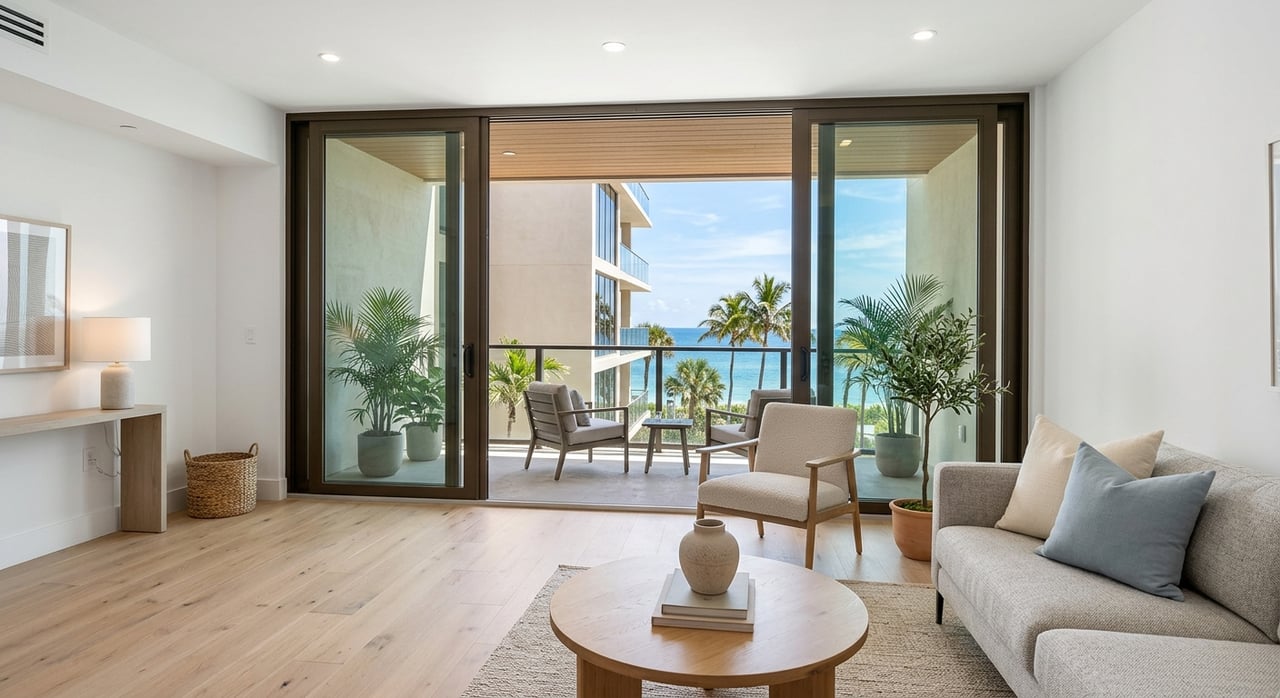
Harbour Island buyers often respond to light, openness, and any connection to water, skyline, or outdoor living. Your marketing should help those features come through clearly, both in person and online.
That matters because most buyers begin their search online, and 81% say listing photos are the most important factor when evaluating properties. If your unit has natural light, balcony access, marina or skyline glimpses, or a layout that feels airy, those strengths should be visible in the photography and reflected in how the home is prepared.
Photo prep tips for Harbour Island sellers
Before photography day:
- Clean glass on windows and sliders
- Remove bulky furniture that blocks sight lines
- Clear balcony or terrace clutter
- Replace burned-out bulbs for even lighting
- Hide cords, pet items, and countertop appliances
- Open shades and curtains to bring in daylight
- Keep décor simple so views stand out
If photos are materially altered or the home is virtually staged, that should be disclosed. Clean, honest presentation builds trust and helps buyers form accurate expectations before they schedule a showing.
Price and present with today’s market in mind
Because Harbour Island is not a one-speed market, sellers benefit from treating pricing and preparation as a single strategy. A home that is well presented, clearly documented, and thoughtfully priced may stand out more in a market where days on market can vary.
This is especially true for condos and townhomes, where buyers often compare several options in the same general price range. They may weigh monthly dues, rules, condition, outdoor space, parking, and building records at the same time. The more complete and polished your listing feels, the easier it is for a buyer to move forward with confidence.
Do not overlook flood disclosure
Florida now requires a flood disclosure to be provided to the purchaser at or before contract execution for residential real property. For Harbour Island sellers, that is an important step to confirm early, especially given the area’s waterfront-adjacent setting.
If the form applies to your sale, it helps to have any relevant flood-related history ready before your property hits the market. Being prepared supports smoother communication and reduces the chance of a delayed contract process.
A smoother sale starts before you list
Selling a Harbour Island condo or townhome is not just about putting a property on the market. It is about preparing the home, the documents, and the buyer experience so your listing feels polished from day one.
When you get ahead of association paperwork, building questions, repair items, staging, photography, and required disclosures, you create a stronger first impression and a steadier path to closing. If you want a local, high-touch strategy for your Harbour Island sale, connect with Harvey Petty for expert guidance tailored to your property.
FAQs
What documents do you need to sell a Harbour Island condo?
- For a Florida condo resale, buyers are entitled to the declaration, articles of incorporation, bylaws, rules, the most recent annual financial statement, and annual budget. If requested, the FAQ document is also included, and some sales may also require milestone inspection and reserve study-related disclosures.
What should Harbour Island townhome sellers check before listing?
- If your townhome is governed by an HOA, confirm the required HOA disclosure summary, review community rules, and verify practical items like rental restrictions, parking rules, pet policies, and other buyer-relevant terms before going active.
Should you get a pre-listing inspection for a Harbour Island condo or townhome?
- A pre-listing inspection can help you identify issues early, including leaks, HVAC concerns, electrical problems, and safety items, so you can decide what to repair, document, or disclose before a buyer’s inspection.
What rooms matter most when staging a Harbour Island home for sale?
- The living room, kitchen, and primary bedroom typically matter most to buyers, especially in condos and townhomes where space planning and functionality are closely evaluated.
Do Harbour Island sellers need to provide flood disclosure information?
- Florida requires a flood disclosure to be provided to the purchaser at or before contract execution for residential real property, so sellers should confirm whether it applies and gather any relevant flood-related history early.
Why does photography matter when selling a Harbour Island condo?
- Most buyers start online, and listing photos are a major factor in whether they want to see a property. In Harbour Island, bright images that show natural light, layout, and any water or skyline views can help your home stand out.